

The Fattening Room: Rediscovering an Ancient Efik Tradition
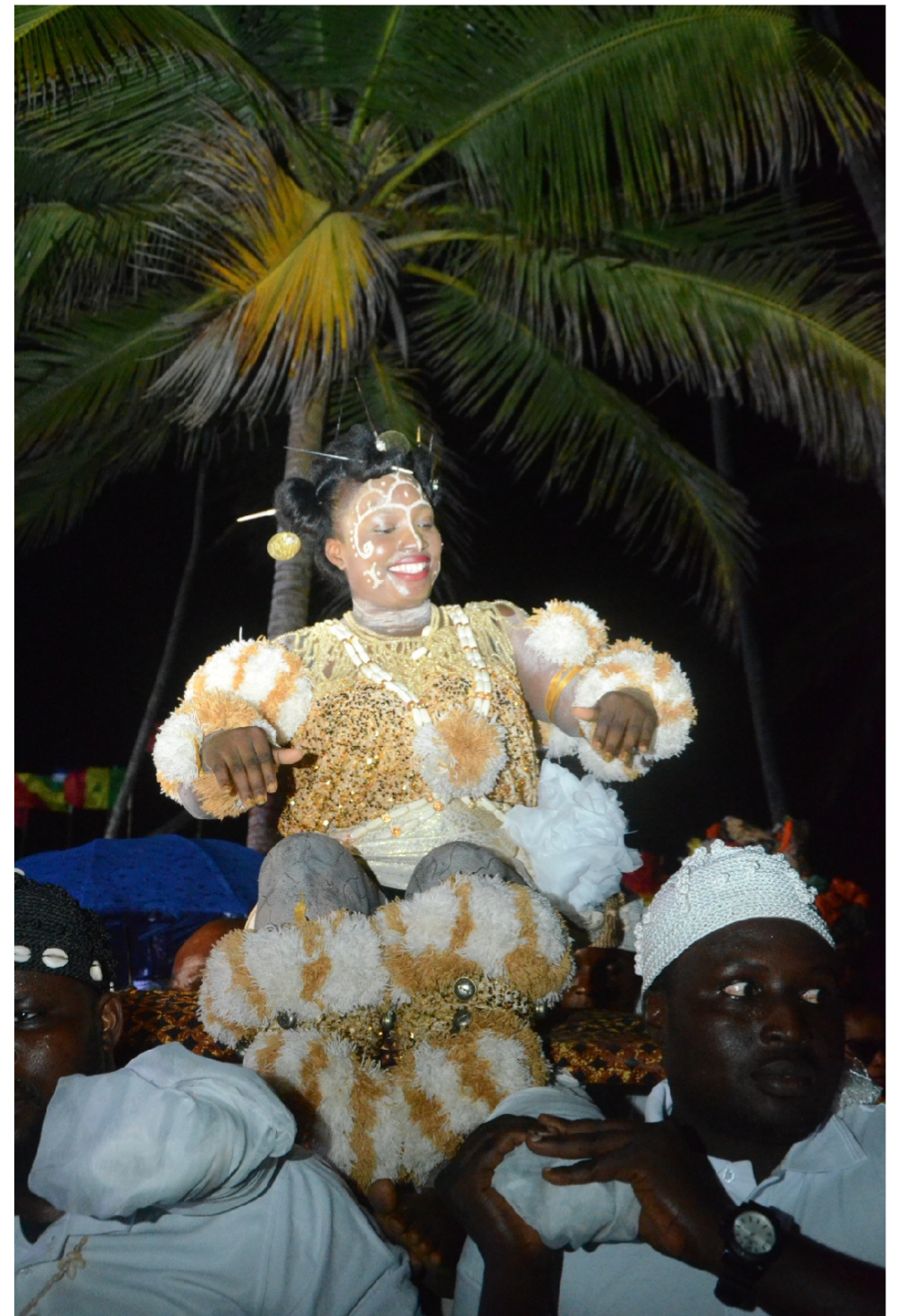
The colourful procession at the 2025 annual Ipada cultural carnival in Lagos attracted considerable attention as Queen Aruk II of Calabar, Barrister Marie Ikpeme Erete, arrived with her retinue of guards, servants, maidens, princes, cultural performers and other members of her royal entourage. For 10 days, Queen Aruk with her Princes, Princesses, Maidens and Over 100 Aides dazzled participants at La Campagne Tropicana Beach Resort in Ibeju-Lekki, where the event was held.
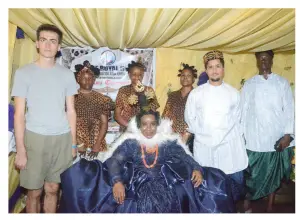
Dressed in traditional Efik regalia and accompanied by the sounds and spectacle of African culture, the Queen’s presence added a distinctly royal dimension to the celebration.
But beyond the pageantry and excitement surrounding her arrival was an opportunity to draw attention to one of the enduring, although increasingly endangered, traditions of the Efik people of Cross River State: the Fattening Room, traditionally known as Nkugho.
The tradition, which was recreated and presented as part of the cultural activities at the event, offered visitors an insight into an institution that once played an important role in preparing young Efik women for marriage, motherhood and adult life.
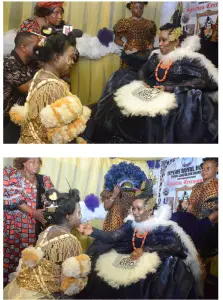
The Fattening Room is often misunderstood because of its name. Although the physical transformation of the young woman, particularly the expectation that she should gain considerable weight, was an important part of the tradition, the institution went far beyond feeding a prospective bride.
For generations, it served as a traditional school in which young women were secluded for a period of intensive instruction and preparation for the responsibilities that accompanied womanhood and marriage.
The duration of the seclusion varied from family to family and depended on a number of factors, including the circumstances and resources of the family. During this period, the young woman was removed from her normal social environment and placed under the guidance of older women who were responsible for teaching her the knowledge, values and skills considered necessary for a successful marriage and family life.
She was taught how to manage a household, prepare traditional meals, maintain cleanliness, care for children, receive visitors and relate respectfully with her husband and his relatives. She was also introduced to traditional songs, dances, personal grooming and other aspects of Efik cultural life.
The process was therefore not simply about producing a bride who looked physically attractive on her wedding day. It was intended to prepare a young woman mentally, socially and practically for a new stage of her life.
In traditional Efik society, marriage was also understood as a relationship between families rather than simply between a man and a woman. The Fattening Room consequently had a communal dimension. The prospective bride could interact with members of her future husband’s family, becoming familiar with the people and environment into which she would eventually marry.
Such interactions were intended to promote familiarity and reduce the difficulties that could arise when two families with different backgrounds were brought together through marriage.
The prospective groom also had responsibilities towards the bride’s family and community. In this way, marriage preparation extended beyond the couple and involved the wider network of relatives and community members.
Another important aspect of the Fattening Room was the emphasis placed on physical appearance. In the traditional Efik worldview, a fuller body was often associated with beauty, prosperity, good health and fertility. A young woman who emerged from the Fattening Room with a fuller physique could therefore be regarded as having been well cared for and adequately prepared for marriage.
She was generously fed and pampered, while traditional oils and other beauty treatments were used to enhance her appearance. Her emergence from the Fattening Room was often a significant community occasion, marking her transition from maidenhood into womanhood.
However, as Nigerian society has changed, many of the traditional practices associated with the Fattening Room have declined.
Formal education, urbanisation, changing attitudes towards marriage, changing concepts of women’s roles and modern ideas about beauty have all contributed to the gradual disappearance of the practice.
Some aspects of the traditional institution have also attracted criticism, particularly practices that may have negative implications for health or personal autonomy. This has made it necessary for any attempt to revive the tradition to distinguish between its culturally valuable elements and practices that may no longer be appropriate in contemporary society.
For advocates of cultural preservation, however, the disappearance of the Fattening Room represents more than the loss of an old marriage ritual. They argue that it also means the loss of a traditional system through which knowledge, values and social responsibilities were transmitted from older generations to younger ones.
This is why the cultural presentation of the Fattening Room at the Lagos carnival is significant.
Rather than simply presenting it as an exotic tradition from the past, the exhibition provides an opportunity to examine what contemporary society can learn from it while recognising that some aspects of the practice belong to a different historical period.
The emphasis on mentoring, preparation for family responsibilities, cultural education, respect, hospitality, knowledge of traditional food and the importance of relationships between families are values that can still have relevance today.
The challenge, therefore, is not necessarily to restore the Fattening Room exactly as it was practised in the past, but to preserve its positive cultural and educational elements and adapt them to contemporary realities.
This is particularly important at a time when Nigerian society is witnessing profound changes in family structures and relationships. Rising marital tensions, changing expectations between couples and the weakening of extended family networks have generated renewed interest in traditional approaches to marriage preparation.
The Fattening Room cannot, by itself, provide solutions to the complexities of modern marriage. However, its emphasis on preparation, mentorship and communal responsibility offers an interesting historical perspective on how previous generations approached the transition into family life.
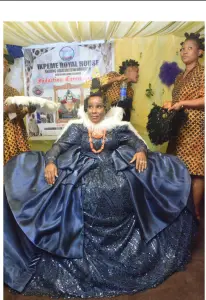
Queen Aruk II’s participation in the Lagos cultural carnival therefore represented more than a display of royal splendour. Her entourage, traditional regalia and the recreated Fattening Room brought a largely historical institution into a modern urban setting and gave a new generation an opportunity to encounter an important part of Efik cultural heritage.
The broader lesson is that cultural preservation does not necessarily require society to return to the past. It requires understanding the past, identifying the values that remain relevant and ensuring that important aspects of cultural identity are not lost.
For the Efik people, the Fattening Room remains a powerful symbol of that heritage. Its story reflects how previous generations understood womanhood, marriage, family and community, while its gradual disappearance demonstrates the profound changes that have taken place in Nigerian society.
The challenge now is to ensure that in embracing modernity, Nigerians do not completely abandon the cultural knowledge that once helped define their communities.
The Fattening Room may no longer occupy the same place in Efik society that it once did, but its history continues to offer an important conversation about culture, identity, marriage and the preservation of Nigeria’s diverse heritage.
