

The second phase of the Hydrocarbon Pollution Remediation Project (HYPREP) officially got underway in Bodo City, Gokana Local Government Area of Rivers State, with shoreline cleanup and mangrove restoration forming key components of the intervention.
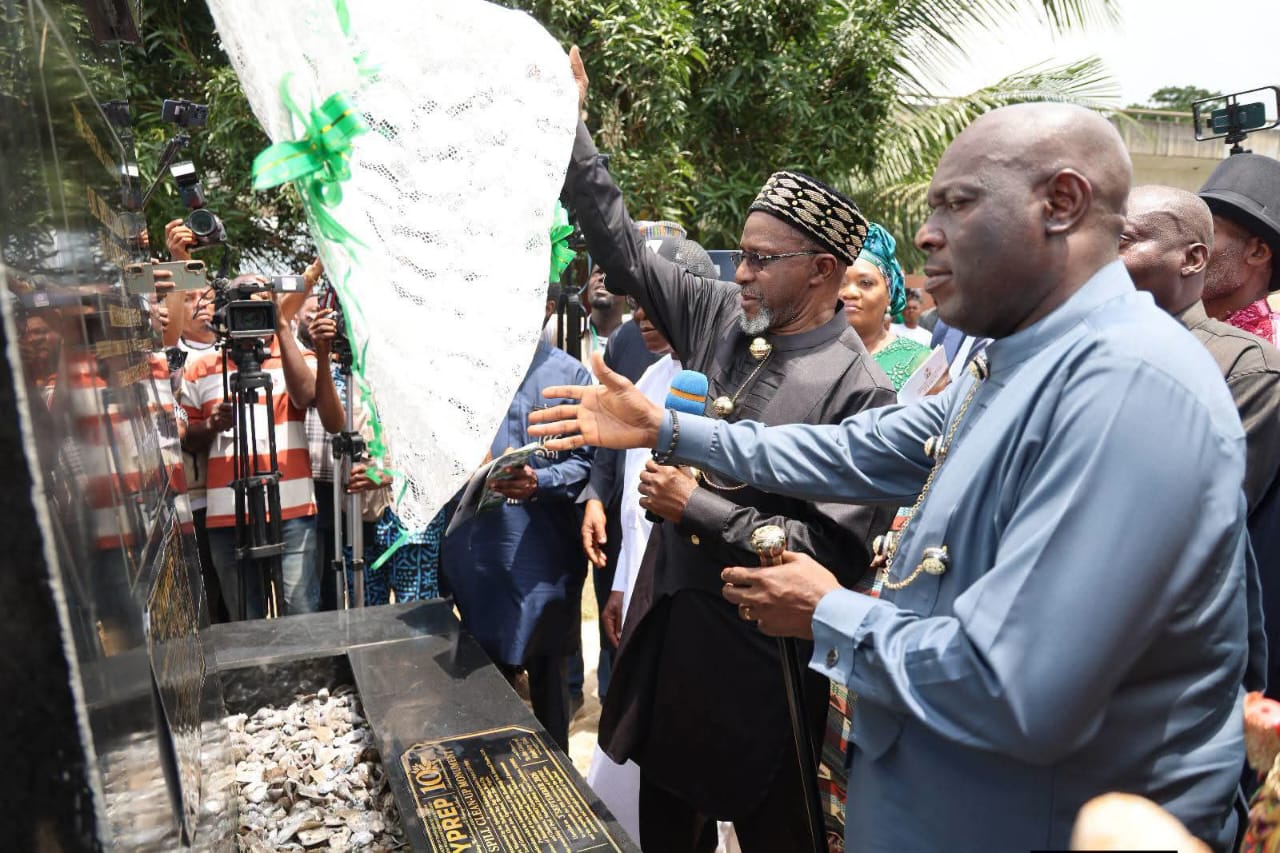
At the ceremony, the Minister of Environment and Chairman of the HYPREP Governing Council, Mallam Balarabe Lawal, unveiled the remodelled Ogoni Cleanup Plaque, presented International Maritime Organization (IMO) certificates to 1,420 community workers and handed over Ramsar certificates for the Ogoni Wetlands to the four participating local government areas.
Lawal said the return of the cleanup monument to its historic location after 10 years was a demonstration of the Federal Government’s continued commitment to the restoration of the Ogoni environment.
The Minister stated that the administration of President Bola Tinubu remained committed to implementing the recommendations of the United Nations Environment Programme (UNEP), noting that HYPREP had been elevated to a national priority since 2023.
He also announced the development of a five-year HYPREP Strategic Plan for 2026–2031, designed to facilitate the completion of outstanding projects, prevent re-pollution, protect restored ecosystems and strengthen community ownership of the cleanup process.
In his goodwill message, the Minister of Regional Development, Abubakar Momoh, commended HYPREP for its interventions and urged Ogoni stakeholders to sustain cooperation and take full advantage of Federal Government support to accelerate development in the region.
The HYPREP Project Coordinator, Prof. Nenibarini Zabbey, said the second phase of the shoreline and mangrove restoration would deepen efforts to recover degraded coastal ecosystems and restore their capacity to support livelihoods.
Zabbey said HYPREP’s livelihood and capacity-building programmes had created more than 8,500 direct jobs for Ogoni youths and women, adding that the 1,420 community workers who received IMO and swimming certificates were among the beneficiaries.
According to him, there are also encouraging signs of ecological recovery, including the gradual return of fish and other aquatic species to areas where restoration efforts have taken place.
He, however, urged shoreline communities to stop indiscriminate mangrove cutting and over-harvesting, warning that such activities could reverse the gains already recorded under the cleanup programme.
Also speaking, a member of the HYPREP Governing Council, Senator Magnus Abe, applauded the progress recorded under the programme and called on Ogoni leaders and residents to put aside their differences and work collectively to ensure the success and long-term sustainability of the intervention.
The Ogoni cleanup programme followed the landmark 2011 UNEP assessment of oil pollution in Ogoniland and commenced about a decade ago.
The latest phase is expected to extend remediation efforts from contaminated land areas to the fragile shoreline and mangrove ecosystems that remain critical to the livelihoods and ecological health of Ogoni communities.
