

For many persons living with disabilities, the digital world can either open doors to education, jobs and business—or create another barrier to independence.
That gap is what the Nigerian Communications Commission, NCC, is seeking to address with a two-day Digital Citizenship Training for Persons with Disabilities in Lagos.
The programme, themed “Empowering Persons with Disabilities Through Digital Citizenship for an Inclusive Digital Economy,” is designed to equip participants with practical digital skills to use technology safely, responsibly and productively.
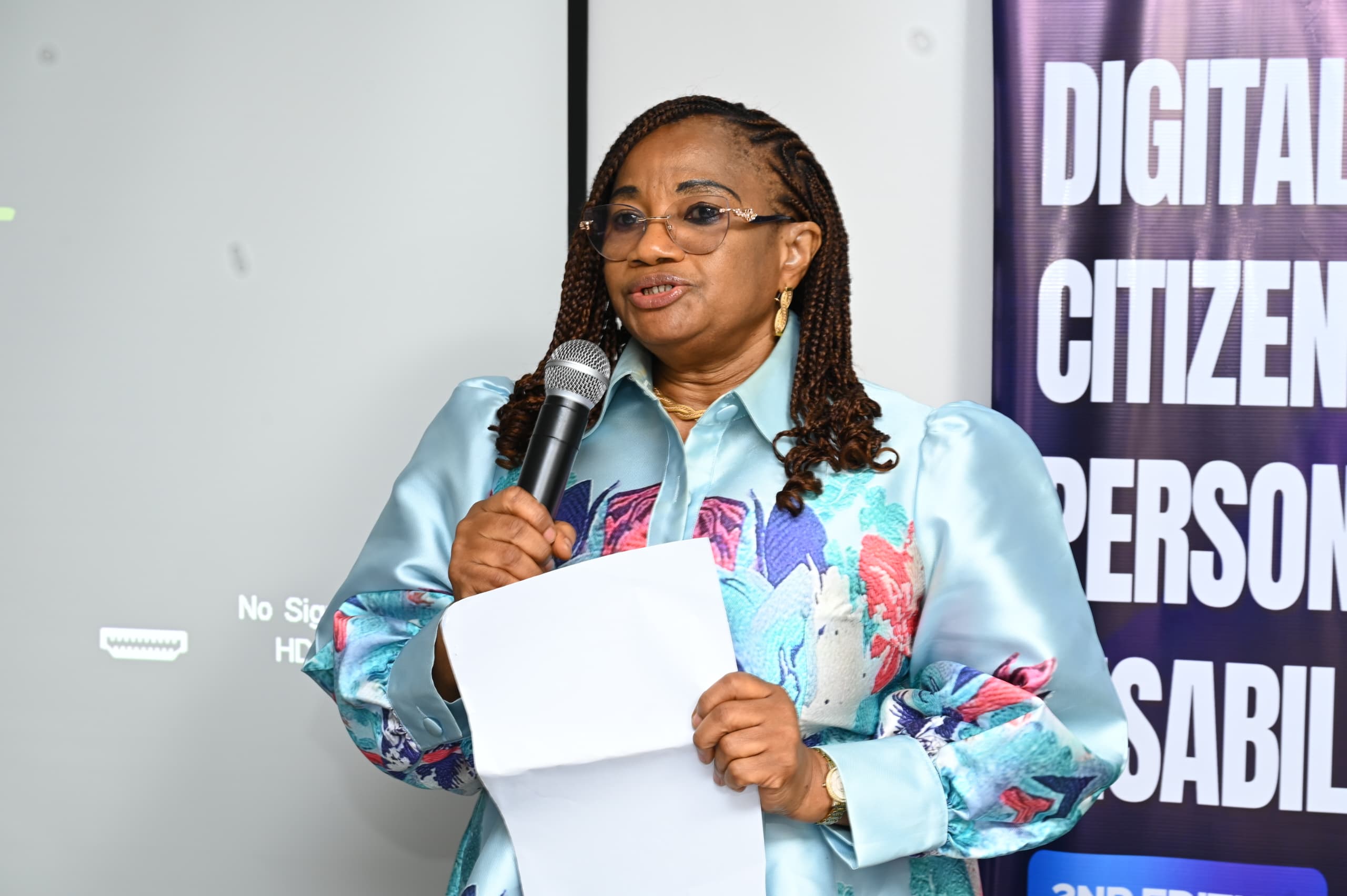
Representing the NCC Executive Vice Chairman and Chief Executive Officer, Dr Aminu Maida, Director of Digital Economy, Ms Helen Obi, said access to the digital economy should go beyond simply having an internet connection.
She said persons with disabilities need access to affordable and reliable broadband, appropriate devices, digital skills, accessible online platforms and secure digital systems to participate meaningfully in the digital economy.
Obi noted that technology was increasingly shaping education, employment, financial services, trade and communication, but warned that inaccessible platforms and devices could leave persons with disabilities behind.
She explained that digital citizenship involves knowing how to protect personal information, recognise scams and misinformation, safeguard digital identity and understand rights and responsibilities in the digital environment.
For persons with disabilities, she said, technology could be transformative by improving access to education and employment, supporting entrepreneurship and remote work, providing access to information and public services, and promoting independence through assistive technologies.
Obi highlighted several NCC interventions aimed at expanding digital inclusion, including School Knowledge Centres, Information Resource Centres, university connectivity initiatives and e-Health interventions through the Universal Service Provision Fund.
She also cited the Commission’s E-Accessibility Project, which provides ICT tools and assistive technologies to institutions supporting persons with disabilities.
The NCC Director further pointed to the Commission’s fourth Hackathon, themed “Technology Without Barriers,” which brought innovators together to develop solutions capable of making technology more accessible.
She urged participants to make practical use of the knowledge gained from the training to improve their educational, employment and entrepreneurial opportunities.
Also speaking, Country Programme Manager, CBM International Nigeria Coordinating Office, Mr Michael Idah, described the programme as an important step towards ensuring that disability does not become a barrier to participation in the digital economy.
Idah said digital skills had become essential as technology increasingly influences education, employment, communication and economic development.
He described disability inclusion as both a development priority and a human rights imperative, stressing that millions of Nigerians living with disabilities have talents and economic potential that can be unlocked through the right opportunities.
He said CBM International works with Organisations of Persons with Disabilities, government institutions and other stakeholders to promote disability-inclusive development.
According to him, the organisation operates across 22 states in Nigeria, supporting disability inclusion, skills development, livelihoods and vocational training.
Idah called for increased investment in accessible digital infrastructure and inclusive policies, while urging the private sector to create more opportunities for employment, innovation and entrepreneurship for persons with disabilities.
He challenged participants to become ambassadors of digital inclusion by using the skills acquired to improve their own lives, mentor others and advocate for greater accessibility.
At the Lagos State level, the Director of Monitoring, Evaluation and Orientation at the Lagos State Office for Disability Affairs, LASODA, Dr Adekola Oluwafunmilayo, described the collaboration with the NCC as an important step towards improving the digital skills and economic independence of persons with disabilities.
She said skills development would strengthen the economic capacity of PWDs and improve their well-being.
Adekola disclosed that the Lagos State Government runs programmes covering reskilling, business registration and financial assistance for persons with disabilities.
She, however, noted that some businesses operated by PWDs were not formally registered, limiting their ability to access certain financial and government support programmes.
She encouraged beneficiaries to formalise their businesses so they could position themselves to benefit from available funding and other opportunities.
Adekola reaffirmed the state government’s commitment to ensuring that persons with disabilities are included in government policies, interventions and development programmes.
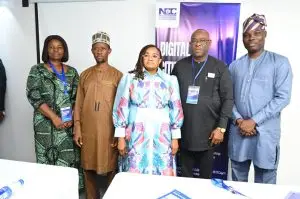
The training brought together representatives of the Lagos State Government, National Commission for Persons with Disabilities, LASODA, ministries, departments and agencies, Organisations of Persons with Disabilities, facilitators and other stakeholders.
The programme is being implemented with the involvement of Fornido Development Limited, which is coordinating its delivery.
