
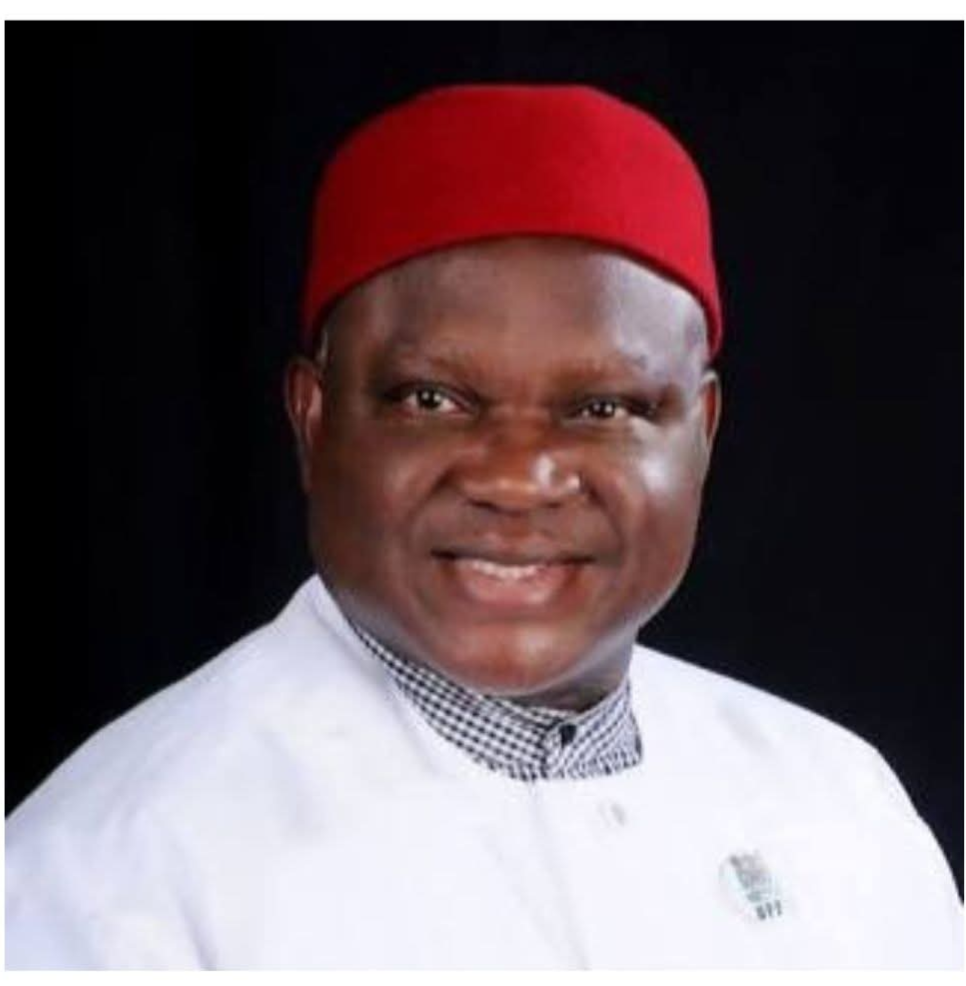

Chekwas Okorie Condemns Blocking of Peter Obi’s Yelwata Visit
Chekwas Okorie
The attempt to stop Peter Obi from visiting Yelwata in Benue State has drawn fresh condemnation, with Igbo Agenda Dialogue National Chairman, Chief Chekwas Okorie, describing the incident as “one provocation taken too far.”
Obi had reportedly travelled to the Yelwata community on Tuesday to pay a humanitarian visit to residents still grappling with the aftermath of the deadly attack that claimed more than 200 lives, according to accounts cited by Okorie.
But the former presidential candidate’s visit was allegedly disrupted after a group of people blocked the road, preventing him and his team from reaching the community.
For Okorie, the incident is particularly troubling because it involved a humanitarian mission to a community still dealing with grief and loss.
In a statement dated September 10, 2026, Okorie recalled an open letter he wrote to President Bola Tinubu in March titled “Halt the Brewing Anarchy in Nigeria,” in which he warned that provocative political rhetoric and actions could further heat up an already fragile political environment.
He argued that subsequent incidents involving Obi and other opposition politicians had heightened his concerns.
Okorie cited an alleged warning by Edo State Governor Monday Okpebholo against Obi visiting the state without permission, as well as an attack involving gunshots at an ADC event in Edo State which Obi attended.
He also referenced reported threats by some political supporters against Obi and former Vice President Atiku Abubakar over campaigning in parts of the Southwest.
The Igbo leader further raised concerns over controversial political and religious comments attributed to some public figures, including statements he said questioned the right of Nigerians to hold opposing political views.
Okorie also criticised what he described as provocative remarks by FCT Minister Nyesom Wike concerning Obi and Atiku, arguing that such rhetoric could deepen political tensions ahead of the 2027 elections.
He warned that the alleged pattern of intimidation, threats and political violence could have consequences far beyond individual politicians.
According to him, ordinary Nigerians are ultimately the ones who pay the price when political competition turns into confrontation.
Okorie said the reported blocking of Obi’s Yelwata visit was especially disturbing because it involved a community mourning its dead and dealing with the consequences of a violent attack.
He described the silence of the Federal Government and National Assembly over the incident as “scandalous” and called on Nigerians to reject what he described as a dangerous trend of using political power and intimidation to restrict opposition activities.
“All well-meaning Nigerians must rise in unison to condemn this explosive trend,” Okorie said, warning that unchecked political hostility could turn Nigeria into a “killing field” ahead of the 2027 elections.
He urged political leaders and their supporters to protect the democratic space by allowing opposition parties and their candidates to move freely, campaign peacefully and engage citizens without intimidation.
For the people of Yelwata, however, the controversy goes beyond politics: it is about a community that has lost loved ones and was expecting solidarity in the middle of its grief.
