

Nigeria’s transport and logistics industry must urgently embrace climate resilience, digital transformation and integrated infrastructure to reduce the cost of moving people and goods and support sustainable economic growth.
Stakeholders in the industry made the call in Lagos at a briefing ahead of the 2026 National Conference of the Chartered Institute of Logistics and Transport, CILT Nigeria.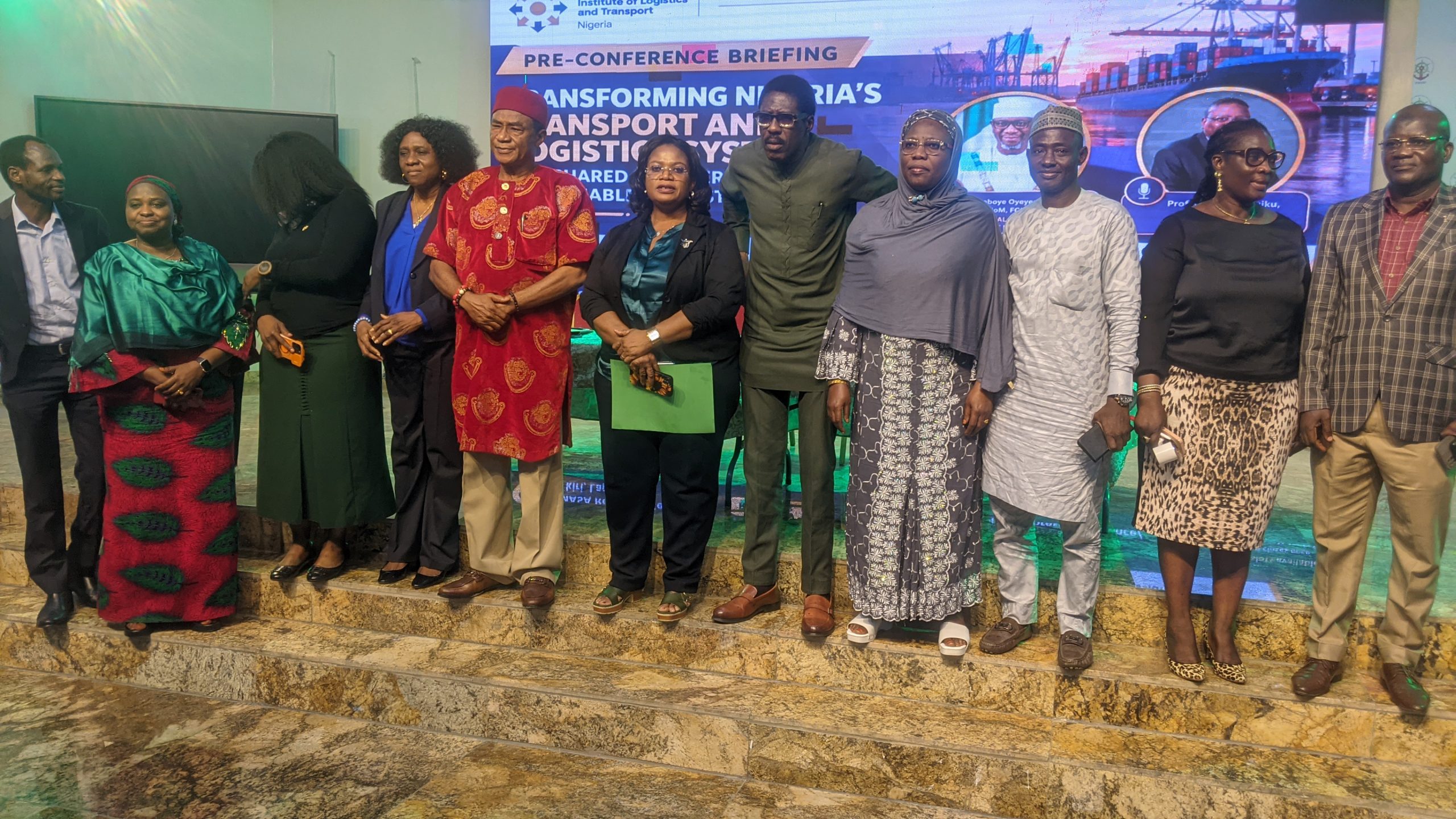
They identified climate-related risks, including flooding and extreme weather, alongside poor road infrastructure, as growing threats to the efficiency and reliability of Nigeria’s transport and logistics system.
Other priorities highlighted include digital transformation and smart logistics, integrated multimodal connectivity, supportive government policies, sustainable financing, human capital development and professional excellence.
Addressing the briefing, the Dean, School of Transport and Logistics, Lagos State University, LASU, Professor Ogochukwu Ugboma, said an efficient transport and logistics system is critical to the functioning of other sectors of the Nigerian economy.
She noted that the 2026 conference had been deliberately designed as a solutions-focused gathering that would bring policymakers into direct engagement with operators, investors, academics, technology providers, development partners, students and young professionals.
«“The 2026 National Conference has been deliberately structured as a solutions-focused gathering. It will bring policymakers into direct conversation with the operators, investors, academics, technology providers, development partners, students and young professionals.»
«“The purpose is not simply to restate familiar problems. It is to identify priorities, clarify responsibilities and build partnerships that can move credible ideas towards implementation.»
«“It is a framework we are coming with this year. That framework is from policy to practice. So we are not coming to the conference to start restating all the challenges from bad roads to lack of infrastructure. No. We know these challenges are there. How do we address them?”»
Ugboma said the conference would also provide an opportunity for national policy and industry leaders to connect strategy with practical delivery.
«“Professor Ayo Omotayo, Director General of the National Institute for Policy and Strategic Studies (NIPSS), will lead our keynote discourse. We are also honoured to welcome the Executive Governor of Imo State, His Excellency, Distinguished Senator Hope Uzodimma, as Special Guest of Honour.»
«“Their participation will enrich a conversation that must connect national strategy with practical delivery at federal, state and industry levels.”»
She explained that the conference would feature six major panel sessions focusing on sustainable and climate-resilient infrastructure; digital transformation and smart logistics; integrated multimodal connectivity; governance, policy reform and infrastructure financing; human capital development and professional excellence; and inclusive mobility and logistics for national development.
«“Academic paper presentations will ensure that evidence informs the debate. The NEXT GEN Hour will give students and young professionals a visible platform for mentoring, innovation and leadership development.»
«“The conference dinner and awards will recognise excellence, while the technical field tour will connect deliberations with operational realities.»
«“The conference will conclude with a communique that captures the priority recommendations and commitments emerging from the sessions.”»
The conference, being held under the directive of the National President and Chairman of Council of CILT Nigeria, Dr Boboye Oyeyemi, OFR, FCILT, is scheduled for October 21 to 23, 2026, at NICON Luxury Hotel, Abuja.
Ugboma, who represented the Chairman of the Conference Planning Committee, Professor Kayode Oyesiku, said transport and logistics could no longer be treated as an isolated sector, stressing the need for concerted action to address the challenges confronting the industry.
The conference will be held under the theme, “Transforming Nigeria’s Transport and Logistics Systems for Shared Prosperity and Sustainable Infrastructure.”
According to Ugboma, an efficient transport and logistics system would reduce the cost of moving people and goods, improve productivity, expand market access and create better economic opportunities.
«“Transport and Logistics are not merely sectoral concerns. They are the circulation system of the national economy. When that system is fragmented, unsafe, costly or unreliable, every household and enterprise pays the price. When it works efficiently, the benefits spread through lower costs, stronger productivity, wider market access, safer journeys and better opportunities.»
«“Nigeria therefore needs more than isolated projects. We need an integrated system in which road, rail, aviation, maritime transport, inland waterways, ports, terminals, logistics hubs and last-mile services reinforce one another.»
«“We also need infrastructure that can withstand climate risks, institutions that coordinate effectively, technology that improves visibility and accountability, and a skilled workforce that can manage a rapidly changing industry.”»
She said participation in the conference is open to transport and logistics operators and other stakeholders, including policymakers, but registration is mandatory.
Ugboma urged companies and organisations across the sector to participate actively in the conference.
«“We ask transport and logistics companies, professional associations, unions, regulators, researchers, investors, technology firms, development partners and interested members of the public to reserve 21–23 October 2026 and participate actively.»
«“Registration information and conference updates are available through CILT Nigeria’s official communication channels—website, email, LinkedIn and Facebook.”»
On his part, the Chairman of the Institute’s Editorial Board, Chief Festus Okorie, stressed that the conference was designed to move beyond speeches and discussions to actual implementation.
«“All the while, when we have conferences, we usually come, talk and go. But the purpose of a conference is to achieve something to take home, go and begin to implement.»
«“So we have created a situation whereby on that event day, having had all the presentations from experts from all over the place, as they are talking, the implementation, the signing of the deal is there. We call that DEAL ROOM.”»
The briefing attracted stakeholders from across the transport and logistics industry, including maritime operators.
For a farmer trying to get fresh produce to market before it spoils, every delay on the road can mean lost income. For a manufacturer, higher transport costs can increase the price of raw materials and finished products.
This is why stakeholders say the efficiency of Nigeria’s transport and logistics system has a direct impact on the cost of goods, business competitiveness, productivity and employment opportunities.
With millions of Nigerians depending daily on the movement of people and goods, the push for a more integrated, climate-resilient and technology-driven transport system is ultimately a push to make the wider economy work more efficiently.
By Innocent Onoh
