



…Fund calls for urgent action to curb food inflation and improve living standards amid persistent economic hardship
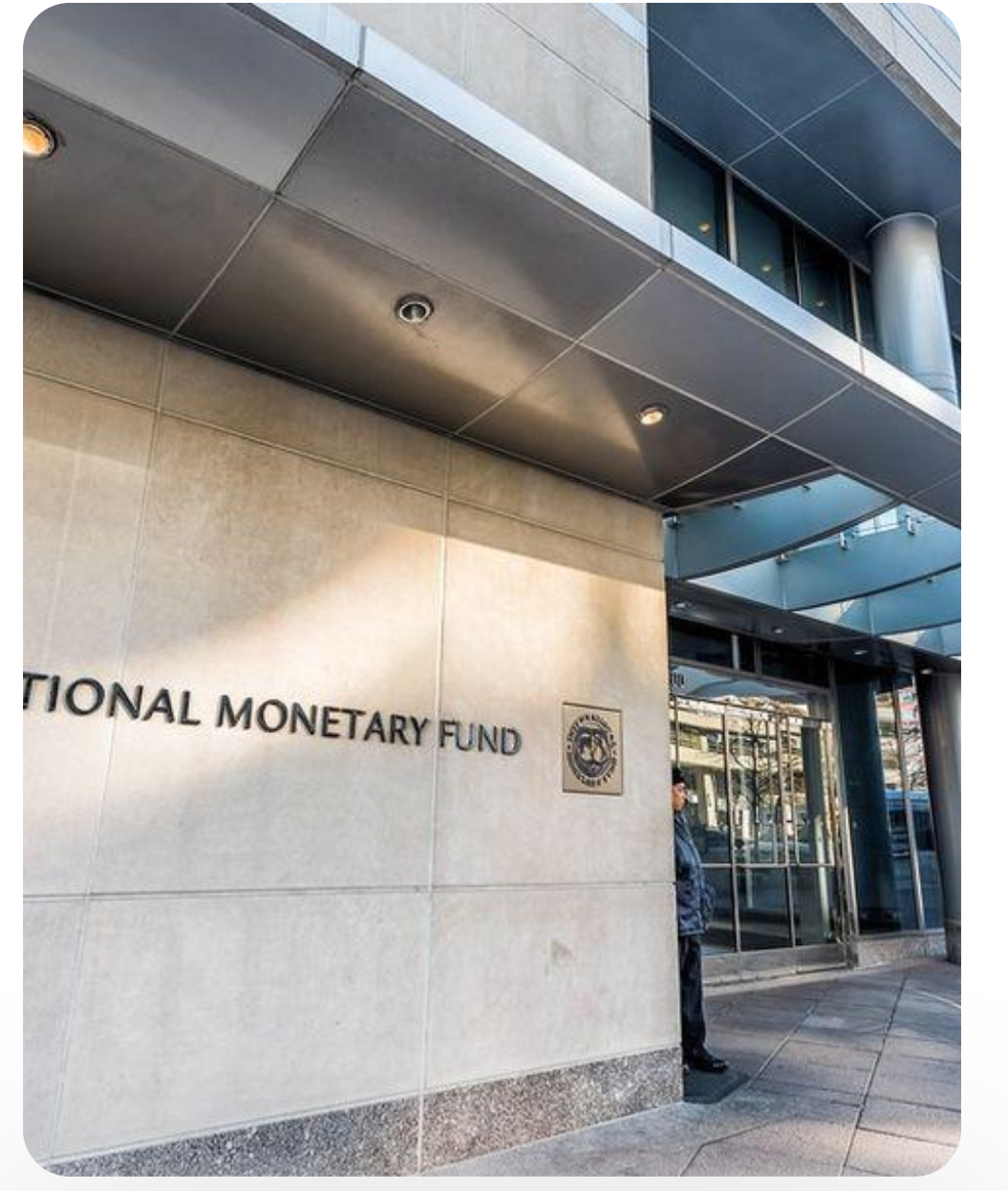
The International Monetary Fund (IMF) has warned that rising prices of essential goods in Nigeria could worsen poverty and food insecurity, despite improvements in the country’s macroeconomic stability and favourable external trade conditions.
The warning is contained in the IMF’s October 2026 World Economic Outlook report, titled “Resilience Under Strain, Urgent Choices.” The report highlights the growing disconnect between improvements in economic indicators and the living conditions of vulnerable households.
The assessment suggests that Nigeria’s recent economic stabilisation efforts have improved the country’s economic outlook but have yet to ease the financial pressures facing households, particularly those struggling with the rising costs of food and other basic necessities.
According to the IMF, Nigeria is among the larger economies in sub-Saharan Africa benefiting from earlier stabilisation measures and economic reforms. However, the region remains vulnerable to commodity price volatility, climate shocks and limited access to external financing.
Meanwhile, the Federal Government is planning to launch a new programme to strengthen Nigeria’s wheat-based consumer foods industry.
The initiative, known as Project WHEAT-NESS, is designed to address production costs, improve business competitiveness, expand access to financing and develop local value chains.
The programme targets businesses across the industry, including flour millers, bakeries, food manufacturers and micro, small and medium-sized enterprises (MSMEs), amid Nigeria’s continued dependence on imported wheat.
Nigeria consumes and imports an estimated six to seven million metric tonnes of wheat annually, exposing the industry to fluctuations in international commodity prices, foreign exchange conditions and supply chain costs.
According to the ministry, Project WHEAT-NESS seeks to tackle constraints across the wheat-based food value chain, covering agricultural production, input supply, aggregation, milling, processing, baking, logistics, distribution and retail.
The initiative is expected to strengthen the competitiveness of businesses across the sector while supporting the development of local value chains and improving the industry’s resilience to external economic shocks.
