




The future of credible elections in West Africa may increasingly depend on how electoral bodies harness technology while protecting the integrity of the ballot.
Chairman of the Independent National Electoral Commission, Professor Joash Amupitan, has called on electoral management bodies across the sub-region to strengthen cybersecurity and promote the responsible use of Artificial Intelligence to safeguard electoral integrity and public confidence.
Professor Amupitan made the call in Abuja while receiving a delegation of the ECOWAS Network of Electoral Commissions, ECONEC, following the adoption of regional guidelines on the use of AI in electoral processes.
He stressed that electoral institutions must embrace emerging technologies while putting adequate safeguards in place to prevent manipulation, cyberattacks and other threats to democratic processes.
The INEC Chairman noted that although concerns about the dangers of AI were understandable, the technology had become an integral part of modern digital systems, making it imperative for electoral bodies to understand and manage its applications effectively.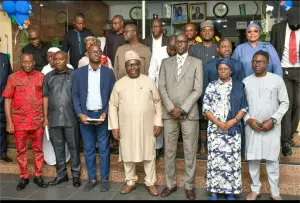
Professor Amupitan identified voter registration and public information services as areas where AI could improve electoral administration and make information more accessible to citizens.
He explained that AI-powered systems could enable electoral commissions to respond more promptly to public enquiries by providing relevant information and answers to frequently asked questions.
However, he emphasised that these innovations must be backed by robust security measures to protect young people and other vulnerable users from digital manipulation.
Professor Amupitan described the adoption of the regional guidelines as timely, particularly as Nigeria prepares for the 2027 General Election.
He reaffirmed INEC’s commitment to strengthening collaboration with ECONEC and other regional partners to improve electoral administration across West Africa.
He identified electronic transmission of results, records management, logistics, risk assessment, personnel training and election planning as critical areas where greater regional cooperation could enhance the credibility and efficiency of elections.
The INEC Chairman also advocated preventive regulations for political parties to promote compliance with electoral rules and minimise disputes.
Earlier, leader of the ECONEC delegation, Mr Serigne Ka, said the mission was to finalise guidelines for the responsible application of AI in elections.
Mr Ka, who is Head of the ECOWAS Electoral Assistance Division and Permanent Secretary of ECONEC, explained that the initiative followed a symposium on AI and election integrity held in Dakar, Senegal, in November last year.
He said participants at the symposium agreed to establish a working group to develop guidelines that would help electoral management bodies across West Africa navigate the opportunities and risks associated with AI.
According to him, the working group subsequently held several sessions to develop a draft document, which was validated at a two-day meeting in Abuja earlier this week.
Mr Ka said the adoption of the guidelines had paved the way for member commissions to determine how best to apply them within their respective electoral systems.
He maintained that AI had become an enduring feature of modern society, stressing that the priority should be to manage its use responsibly rather than attempt to avoid the technology.
The ECONEC official called for international support to facilitate the implementation of the guidelines across West Africa.
He also conveyed the apologies of the newly elected ECONEC Chairman, Mr Abdoulaye Sylla, who is Chairman of Senegal’s electoral commission and was unable to attend the meeting.
Mr Ka expressed optimism that the guidelines would strengthen electoral processes across the sub-region.
As technology continues to reshape democratic processes, electoral institutions across West Africa face the challenge of balancing innovation with accountability.
For INEC and its regional partners, the task is to ensure that Artificial Intelligence becomes a tool for greater transparency, improved service delivery and stronger public confidence in elections, rather than a threat to the democratic process.
