
2




International Day of the Girl Child: Petraville Schools, Police Call for Education, Protection and Empowerment
Schools, government agencies and financial institutions across Nigeria have joined the global campaign for the education, protection and empowerment of the girl child, emphasising the need to equip girls with relevant skills and protect them from abuse to enable them to fulfil their potential.
The call formed part of activities marking the 2026 International Day of the Girl Child, which highlights the rights, welfare and development of girls.
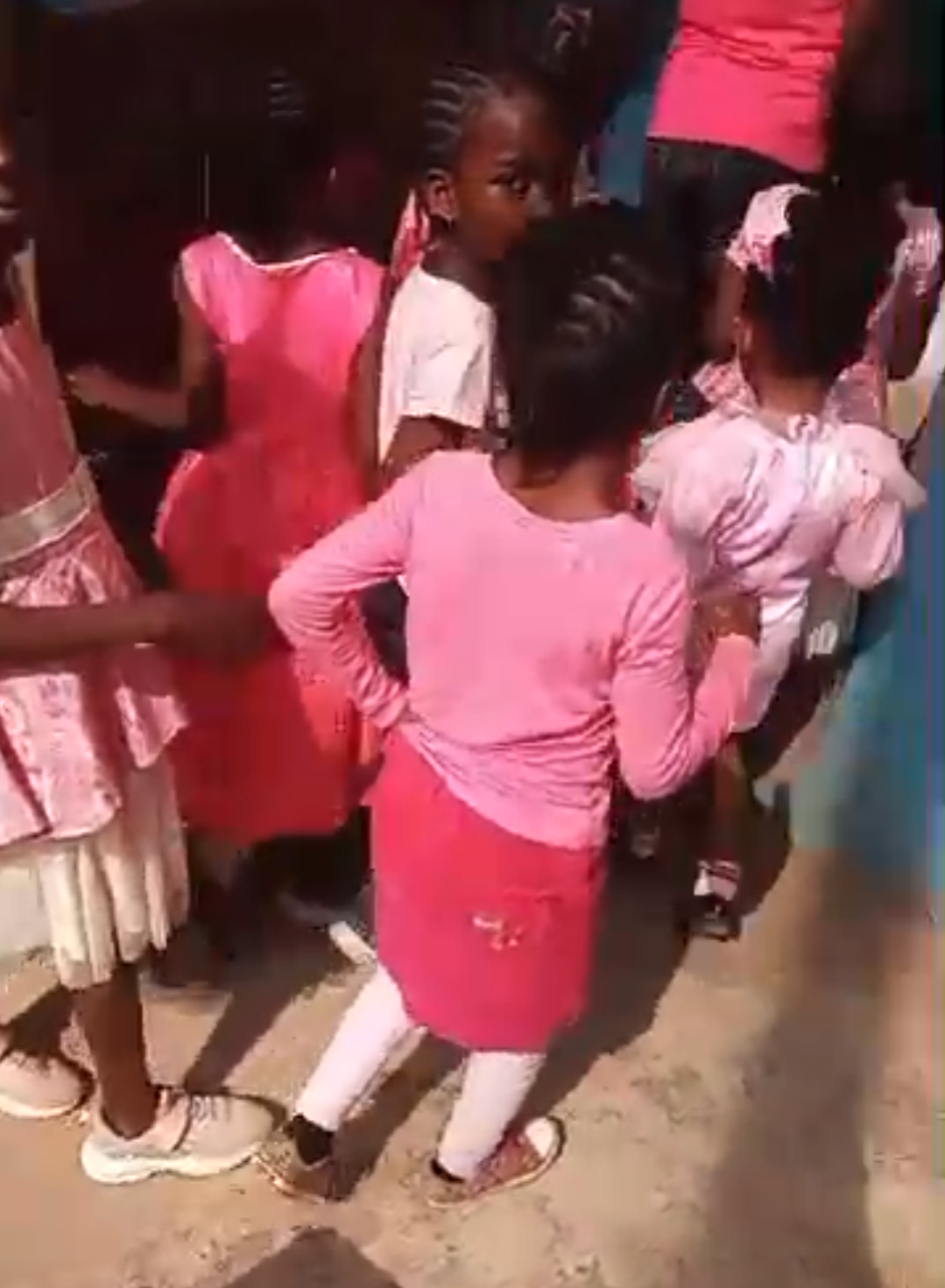
At Petraville Montessori School, Shoga Street, Egan, Igando, Lagos, female pupils dressed in pink and paraded around the school compound in a colourful celebration, while their male counterparts and teachers cheered them on.
The event provided an opportunity to celebrate the value of girls and reinforce the importance of education, equal opportunities, self-confidence and personal safety.
Speaking at the occasion, the school’s proprietress, Mrs Patience Kadaisi, described the girl child as a precious gift to the family, school, community and nation, noting that girls possess enormous potential to become future leaders and contributors to national development.
In an address titled “The Importance and Usefulness of the Girl Child: Empowering the Girl Child for a Better Future,” Kadaisi urged parents and teachers to encourage girls to pursue their ambitions through hard work, discipline and determination.
She stressed that the value of the girl child extended beyond her contributions to the family, describing her as an individual with inherent dignity, abilities, aspirations and the capacity to influence society positively.
According to her, every girl deserves love, respect, quality education, moral guidance and the opportunity to discover and develop her talents.
Kadaisi maintained that leadership was not determined by gender but by character, knowledge, competence and the ability to serve, adding that girls could excel in professions such as medicine, law, engineering, science, technology, education, business and public administration.
She urged parents to provide their daughters with the same educational opportunities and encouragement as their sons, warning against stereotypes that limit girls’ aspirations.
The proprietress also described education as a vital investment in the future, explaining that it equips girls with the knowledge, confidence and skills needed to make informed decisions, identify opportunities and contribute to economic growth.
She encouraged female pupils to take their studies seriously, read widely, participate actively in classroom activities and develop practical skills that could prepare them for financial independence.
Beyond academic achievement, Kadaisi emphasised the importance of good character, including honesty, discipline, kindness, respect and responsibility.
She urged girls to resist negative peer pressure, use technology responsibly, develop positive friendships and learn to stand up for what is right.
On child protection, she called on parents, teachers, school administrators and community leaders to create safe environments where girls could learn and grow without fear of abuse, exploitation, harassment or discrimination.
She stressed that girls must be encouraged to speak up when they experience mistreatment and assured that their concerns should be taken seriously.
Kadaisi further urged parents to listen to their daughters, build their confidence, support their education and provide the guidance necessary for responsible decision-making.
She also called on schools to promote girls’ participation in leadership, sports, science, technology and creative activities, noting that collaboration between families, schools and communities was essential to helping girls reach their full potential.
“Every girl deserves a childhood protected from harm, access to education and the freedom to pursue her dreams,” she emphasised.
POLICE, POWA OPPOSE CHILD MARRIAGE
In a related development, the Nigeria Police Force and the Police Officers’ Wives Association (POWA) have called for increased investment in girls’ rights, education and welfare, warning against practices that expose girls to early marriage and limit their opportunities.
The call was made during activities commemorating the 2026 International Day of the Girl Child at the Nigeria Police Resource Centre in Jabi, Abuja.
The event, organised by the Nigeria Police Force through its Police Campaign Against Cultism and Other Vices (POCACOV), in collaboration with POWA, was held under the theme: “End Child Marriage and Invest in Girls’ Rights.”
The campaign highlighted the need to protect girls from child marriage and other harmful practices while ensuring access to education and opportunities for personal development.
The advocacy also reinforced the importance of collective action by families, schools, security agencies and other stakeholders in safeguarding the rights and welfare of girls.
Child marriage can disrupt a girl’s education, restrict her personal development and expose her to serious health and social challenges. Preventing the practice requires sustained public awareness, effective child-protection measures and support for families and communities.
A SHARED RESPONSIBILITY
The activities in Lagos and Abuja underscore the importance of moving beyond annual celebrations to practical measures that improve the lives of girls.
From providing quality education and vocational training to preventing abuse, discrimination and child marriage, stakeholders have a shared responsibility to ensure that girls can grow up in safe environments and pursue their aspirations.
Empowering the girl child does not diminish the importance of boys; rather, it promotes fairness and ensures that every child has an opportunity to develop their abilities and contribute meaningfully to society.
As Nigeria joins the global observance, the message remains clear: educating girls, protecting their rights and equipping them with relevant skills are essential investments in stronger families, more inclusive communities and sustainable national development.
By Innocent Onoh
