
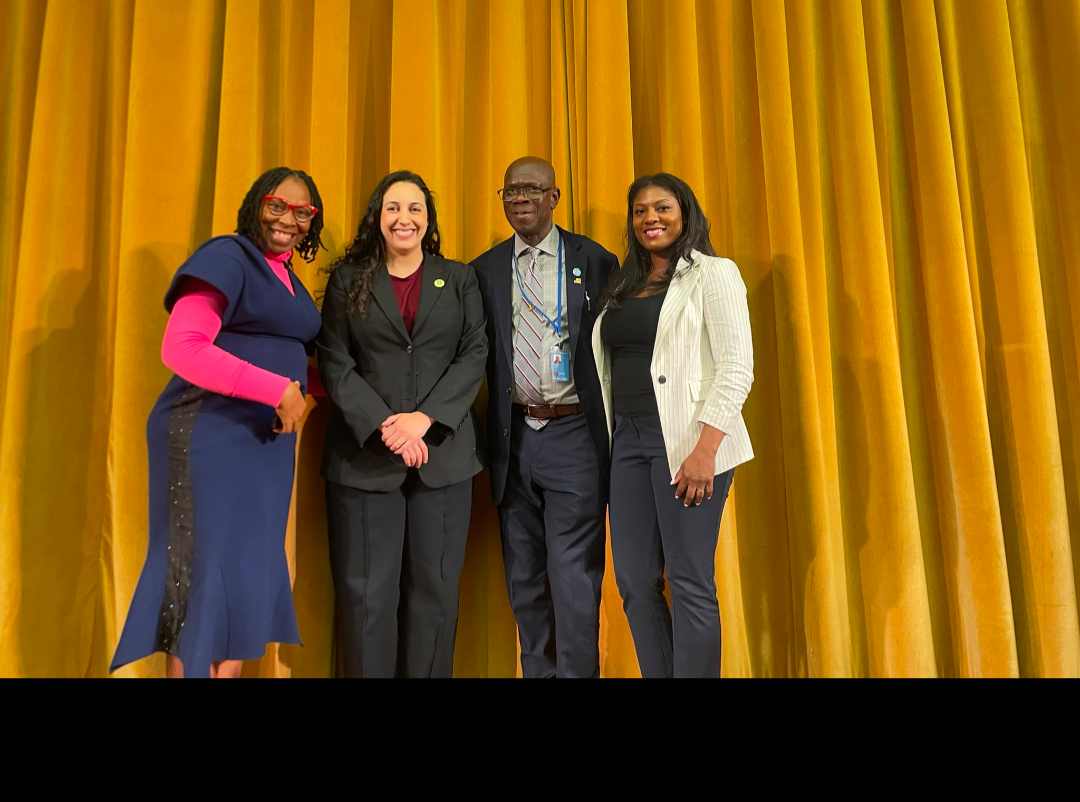



Experts have called on Nigeria to strengthen local pharmaceutical manufacturing, improve access to essential medicines and invest in epidemic preparedness, while exploring opportunities to expand the country’s pharmaceutical industry into regional and international markets.
The call was made at a side event held in Midtown Manhattan, New York, in connection with the 81st session of the United Nations General Assembly (UNGA 81).
Hosted by 10Generation in partnership with the Institute of Scientology and World Mission Foundation, the programme examined the links between pharmaceutical manufacturing, public health education and Africa’s capacity to prevent and manage future health emergencies.
Moderated by international broadcast and multimedia journalist Lydia Enyidiya Eke, the discussion focused on how Nigeria could strengthen its pharmaceutical industry, meet domestic healthcare needs more effectively and position locally manufactured medicines for eligible regional and international markets.
A central message from the discussion was that Nigeria must look beyond its domestic market and take advantage of opportunities within Africa and the wider global pharmaceutical industry.
With Africa’s population approaching 1.5 billion, the continent represents a substantial market for medicines, vaccines, diagnostic products and other essential healthcare supplies. However, meeting this demand requires more than manufacturing ambition. It also calls for sustained investment in research, production capacity, quality assurance, infrastructure and effective regulation.
Participants highlighted the importance of developing local pharmaceutical capacity while ensuring that medicines intended for export meet the relevant safety, quality and regulatory standards.
For Nigeria, expanding domestic production could help strengthen medicine availability, diversify supply chains and reduce vulnerability to international disruptions. However, achieving these benefits would require an enabling environment that supports responsible investment, innovation and compliance with established pharmaceutical standards.
Strengthening Africa’s Preparedness for Health Emergencies
Beyond pharmaceutical manufacturing, the programme examined the need for Nigeria and other African countries to strengthen their capacity to prevent, detect and manage epidemics and pandemics.
The panel included Ambassador Anthony, President and Founder of World Mission Foundation and its main representative to the United Nations Economic and Social Council (ECOSOC); Dr Faadja Robert-Carr of 10Generation; and Nicole Berth, representing Community Affairs at the Institute of Scientology.
The discussion highlighted how health emergencies can expose weaknesses in medicine supply chains, healthcare infrastructure, disease surveillance and public communication.
Building stronger systems before an outbreak occurs is therefore essential to protecting communities and reducing the disruption caused by public health emergencies.
Although reliable local pharmaceutical production can contribute to health security, participants’ broader focus also pointed to the importance of trained healthcare personnel, functional laboratories, effective emergency response systems and coordinated public health policies.
Preparedness, the discussion emphasised, should be treated as a continuous responsibility rather than an intervention activated only when a crisis emerges.
Public Health Communication as a Tool for Prevention
Public health communication also featured prominently in the discussion, particularly the role of public service announcements and sustained health education campaigns in preventing disease and improving public understanding.
Radio, television, digital media and community-based communication channels can help people understand health risks, adopt preventive practices and access reliable information about available medical services.
This role becomes particularly important during epidemics and pandemics, when misinformation and delays in accessing credible information can undermine public health interventions.
For Nigeria, strengthening collaboration among health authorities, pharmaceutical manufacturers, medical professionals, researchers and media organisations could help ensure that accurate and accessible health information reaches communities in ways people can understand and act upon.
However, public enlightenment must go hand in hand with accessible healthcare services. Information about prevention and treatment can only deliver its full benefits when people can access the services and resources needed to act on it.
Prevention and Access to Healthcare
Another important issue raised at the programme was the need to place disease prevention at the centre of healthcare planning.
Immunisation, sanitation, health education, screening, early diagnosis and access to appropriate medical interventions are among the measures that can reduce avoidable illnesses and ease pressure on healthcare facilities.
The discussion also highlighted the importance of access to essential healthcare and reliable health information as part of broader efforts to advance the right to health.
For Nigeria and other African countries, this requires sustained investment in preventive services, stronger healthcare institutions and policies that support equitable access to essential medicines and medical care.
Moderating the session, Eke brought her experience in broadcast journalism, editorial leadership and public-interest communication to a discussion linking pharmaceutical development with health security and public enlightenment.
Her role underscored the importance of effective moderation and professional journalism in facilitating conversations around public policy, economic development and issues affecting the well-being of communities.
Turning Market Potential into Better Health Outcomes
The discussions in Manhattan highlighted the need for a coordinated approach to Africa’s pharmaceutical and public health future.
Nigeria’s pharmaceutical industry requires an environment that encourages investment, innovation, quality manufacturing and regulatory compliance. At the same time, the country’s healthcare system needs sustained support for disease prevention, emergency preparedness and public communication.
Governments, pharmaceutical manufacturers, research institutions, healthcare professionals and media organisations all have roles to play in advancing these priorities.
For Nigeria and the wider African continent, the challenge is to translate growing demand for medicines into stronger local production capacity while ensuring that public health knowledge leads to practical preventive action.
Ultimately, protecting public health requires more than responding to outbreaks after they occur. It demands sustained investment in local pharmaceutical production, resilient healthcare systems, reliable access to essential medicines and informed communities capable of making sound health decisions.
Abiola Peters
