
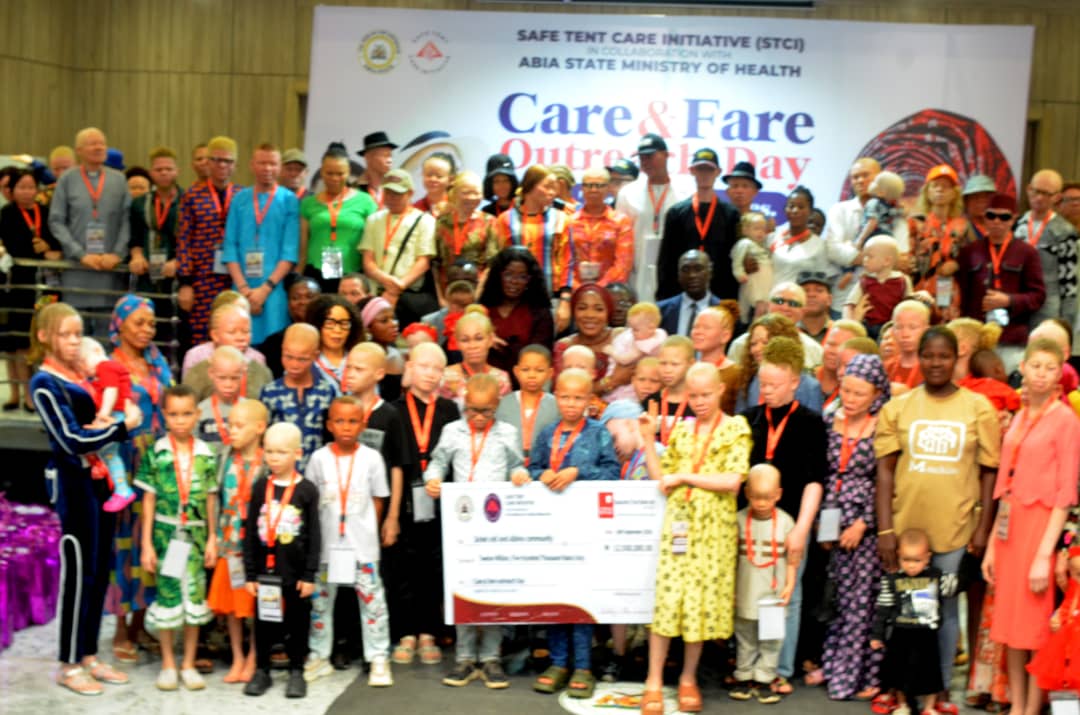



Mrs Otti urged members of the two communities to enrol in the Abia State Health Insurance Scheme, stressing that health insurance would provide them with sustained access to medical care beyond one-off interventions.
She said the initiative was designed to help beneficiaries manage their health needs more consistently while reducing the financial burden associated with regular medical treatment.
Beyond healthcare, Mrs Otti pledged to incorporate members of the communities into skill-acquisition and economic empowerment programmes to help them become self-reliant and pursue their aspirations.
The Commissioner for Health, Professor Enoch Uche, explained that the health insurance initiative, implemented through the Office of the Governor’s Wife in collaboration with the Abia State Ministry of Health and Abia State Health Insurance Agency, would enable enrolled beneficiaries to access healthcare from designated providers without making direct payments at the point of care.
A renowned disability rights campaigner, Mr Jake Epelle, commended Governor Alex Otti and his wife for what he described as significant support for persons with albinism and people living with sickle cell conditions, particularly in improving their access to continued healthcare.
Also speaking, Consultant Paediatrician at the Federal Medical Centre, Umuahia, Dr Mildred Izuka, and eye-care specialist, Dr Betty Emeka-Obasi, urged people living with sickle cell conditions and persons with albinism to take proactive steps in managing their health.
They stressed the importance of regular medical care and appropriate health practices to enable beneficiaries live longer, healthier and more productive lives.
The outreach also provided immediate relief to beneficiaries through free medical services, cash support, food items and personal care kits distributed to members of the two communities.
