
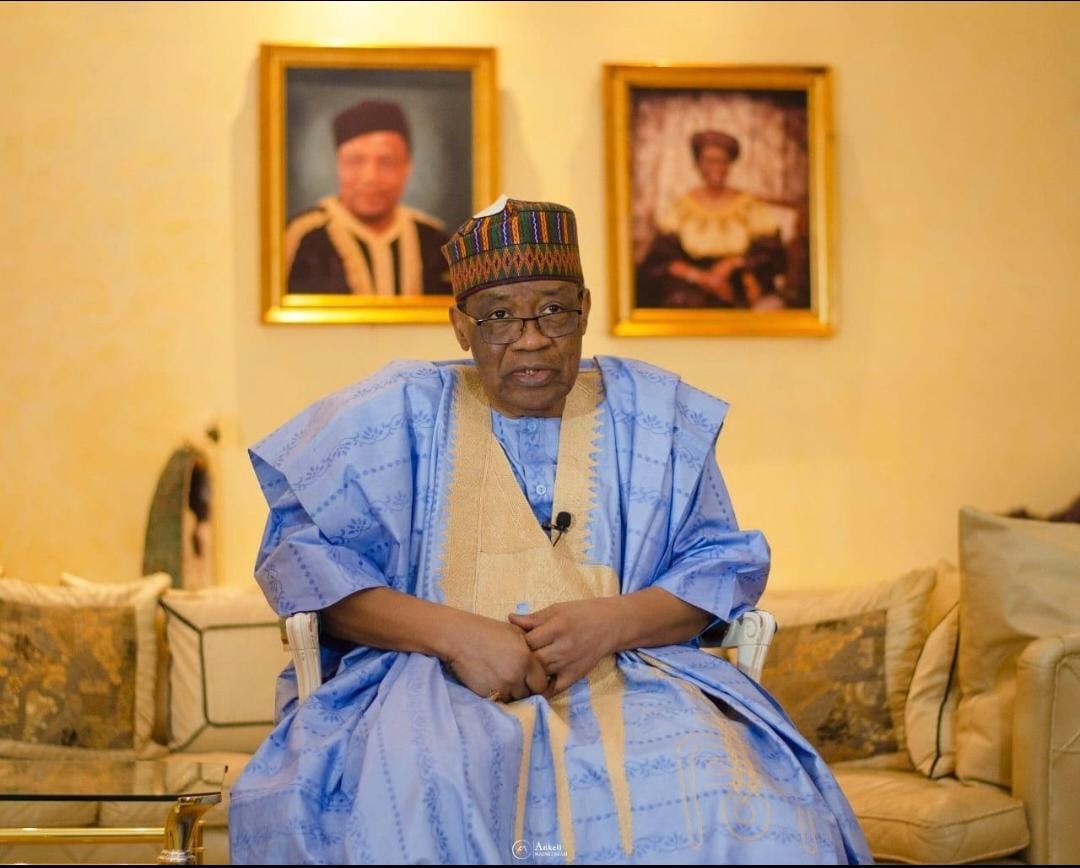



The controversy surrounding the deaths of 37 suspected illegal miners in Niger State has widened, with former military President, General Ibrahim Badamasi Babangida, denying any connection with the mining site where the victims were arrested, while human rights lawyer Deji Adeyanju has vowed to resist any attempt to compromise the investigation.
The Federal Government has constituted a 10-member independent committee to investigate the deaths of the suspected miners, who died while in the custody of the Nigeria Security and Civil Defence Corps (NSCDC) in Minna. The committee, which includes Adeyanju, has two weeks to complete its assignment and submit its report to the Minister of Interior.
The incident has generated widespread concern because the victims died after being arrested during an operation against suspected illegal mining activities in Niger State. Authorities have ordered investigations into the circumstances surrounding the deaths, while the precise cause of death remains a matter for the ongoing inquiry.
Babangida: “I Have No Connection With Mining Operation”
Babangida has rejected a Sahara Reporters publication linking him to the mining site where the suspected illegal miners were arrested.
In a statement issued in Minna on his behalf by former Niger State Commissioner for Information, Dr Danladi Umar Abdulhameed, the former military leader described the publication as false, baseless and misleading.
The denial followed reports in which a survivor was quoted as alleging that the mining site belonged to Babangida. The allegation remains disputed, with Babangida categorically denying any connection to the operation.
Babangida expressed concern that an allegation reportedly acknowledged by its author as unverifiable was nevertheless published, arguing that claims that cannot be independently established should not be presented as settled facts.
He therefore called for the impression created by the report to be corrected and urged members of the public to disregard what he described as an unfounded allegation.
While acknowledging Sahara Reporters’ contribution to investigative journalism in Nigeria, Babangida stressed the importance of accuracy, fairness, objectivity and proper verification when publishing allegations capable of affecting an individual’s reputation.
Adeyanju: “I Will Not Tolerate Any Cover-Up”
As the investigation gets underway, Adeyanju has accepted his appointment to the federal committee, saying he is joining the process primarily to protect the interests of the victims and ensure that the truth is established.
Adeyanju also asked the Federal Government not to pay committee members any stipend, monetary provision or honorarium, describing the assignment as a national duty requiring sacrifice.
“I am joining the committee solely to protect the interests of the victims and ensure that the truth is established,” Adeyanju stated.
He said he would personally bear the cost of his hotel accommodation, transportation and other expenses connected with his participation.
The lawyer further warned that he would not accept any financial inducement or participate in any attempt to compromise the investigation.
Adeyanju said he would also expose any attempt to shield those responsible or suppress facts capable of establishing what happened to the deceased.
Investigation Underway
The Federal Government’s 10-member committee is chaired by retired DSS Deputy Director-General, Mr Jonathan Kure, while Professor Isa Hayatu Chiroma, SAN, serves as secretary.
Other members include retired AIG Hosea Hassan Karma; Professor Olayinka Buhari, a professor of histopathology; representatives of the Minna Emirate Council and Niger State Government; a representative of the Miners Association of Nigeria; Adeyanju; journalist Zainab Suleiman Okino; and public affairs analyst Dr George Agbakahi.
The committee has been empowered to access relevant facilities and documents, visit locations connected with the incident and receive memoranda from members of the public.
The Interior Minister, Olubunmi Tunji-Ojo, has also directed that relevant records and material evidence be preserved and made available to the investigators, warning against any attempt to destroy evidence, intimidate witnesses or obstruct the inquiry.
For the families of the 37 deceased, the investigation now carries a significance beyond the question of illegal mining. It is expected to establish how the victims were arrested, the conditions under which they were detained, what happened inside the detention facility and who, if anyone, bears responsibility for their deaths.
With Babangida rejecting any link to the mining site and Adeyanju promising to push for the truth to emerge, attention is now firmly on the federal investigation and whether it can answer the questions surrounding one of Niger State’s most troubling recent tragedies.
