



FG MOVES TO EXPAND AGRICULTURAL FINANCING WITH PROPOSED NON-INTEREST FINANCE FRAMEWORK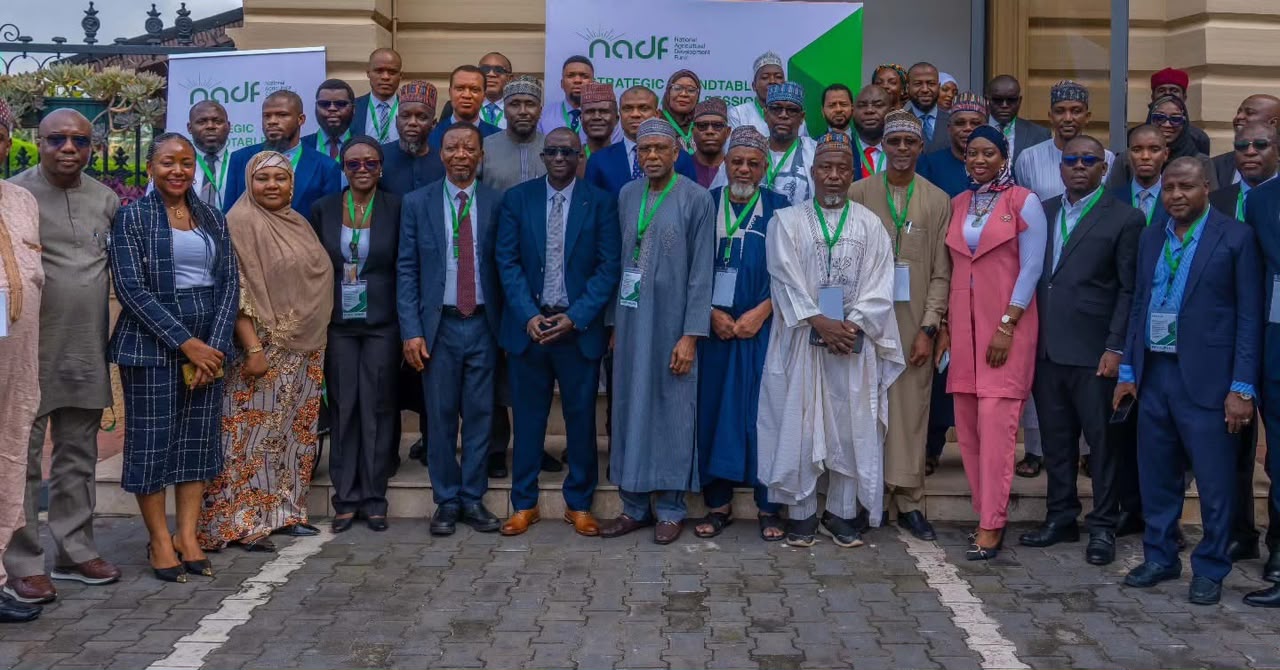
Farmers and agribusiness operators could soon have more financing options as the Federal Government moves to establish a structured framework for deploying non-interest finance to Nigeria’s agricultural sector.
The proposed Non-Interest Finance Framework and Guidelines, being developed by the National Agricultural Development Fund, NADF, are designed to provide a transparent and organised basis for financing agricultural interventions while widening access to funding across the value chain.
For farmers struggling to access affordable financing for production, irrigation, mechanisation, processing or expansion, the initiative is expected to provide an additional avenue for accessing funds without relying solely on conventional financing arrangements.
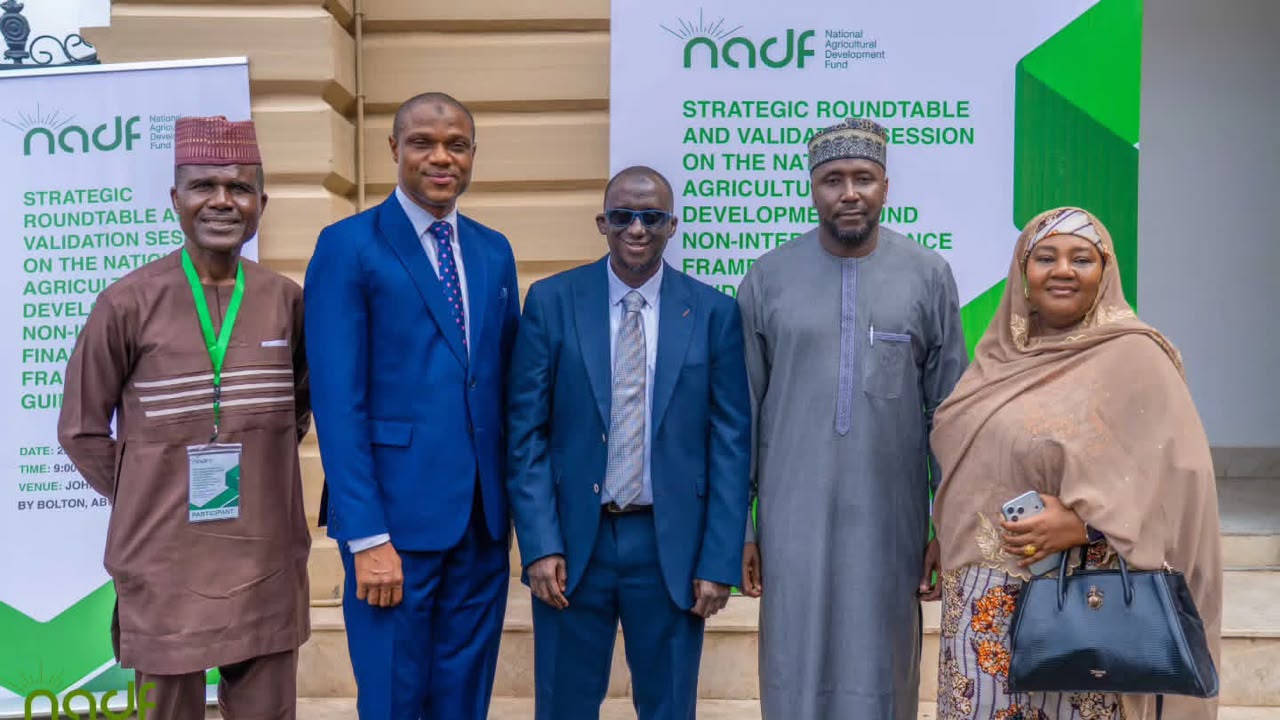
The Executive Secretary of NADF, Mr Mohammed Ibrahim, disclosed this in Abuja at a Strategic Roundtable and Validation Session on the proposed framework and guidelines.
Ibrahim said the framework would institutionalise governance, operational and Shari’ah compliance standards while preserving NADF’s developmental mandate and promoting inclusive agricultural finance.
He explained that the initiative was not intended to replace conventional financing but to expand the range of credible financing options available to farmers, agribusinesses and other participants in the agricultural value chain.
According to him, non-interest finance has become an important component of the financial system, offering alternative arrangements based on principles such as asset backing and risk sharing.
The NADF Executive Secretary said the documents presented at the session were still drafts, allowing stakeholders to examine their provisions and make recommendations before their final adoption.
He added that contributions from participants would help ensure that the framework meets regulatory requirements and reflects the practical realities of both the agricultural and financial sectors.
The Director, Development Finance Advisory Department of the Central Bank of Nigeria, Dr Paul Oluikpe, said significant work was still required to bridge the financing gap facing Nigeria’s agricultural sector.
Oluikpe noted that the country’s large population and the importance of agriculture to the economy had created substantial financing needs extending beyond farming itself to infrastructure, mechanisation, processing and other areas of the value chain.
He said the Federal Government’s food security objectives had further highlighted the importance of institutions such as NADF in mobilising resources for agricultural development.
The CBN official welcomed the proposed framework, observing that non-interest finance had often received limited attention and could provide an additional channel for financing agricultural activities.
He urged NADF to draw on the expertise of non-interest finance practitioners and other stakeholders participating in the validation process.
Chairman of the CBN Financial Regulation Advisory Council of Experts, Professor Bashir Umar, said the initiative was consistent with efforts to promote financial inclusion and widen participation in the formal financial system.
Umar said incorporating non-interest financing into agricultural interventions could create additional opportunities for people who may prefer or require alternative financing arrangements.
He stressed the need for regulators, financial institutions, development finance organisations, academics and other experts to contribute their practical and technical knowledge to the process.
The Head of Investment at NADF, Mr Olalekan Alabi, said the framework would establish the institutional structure for deploying non-interest financing to eligible agricultural activities and value-chain interventions.
Alabi explained that the guidelines would clarify procedures for assessing, approving, implementing, monitoring and reporting financing interventions, while also addressing risk management, compliance and the responsibilities of participating institutions.
He said the validation exercise would help stakeholders identify gaps and areas requiring further clarification, with their recommendations to be considered in preparing the final framework and guidelines.
The session brought together representatives of government institutions, regulatory agencies, development partners, non-interest finance experts, financial institutions and other stakeholders in the agricultural and financial sectors.
If eventually adopted, the framework could give farmers and agribusinesses another financing pathway at a time when access to affordable capital remains a major issue across Nigeria’s agricultural value chain.
#UKATANews #Agriculture #AgriculturalFinance #NADF #NonInterestFinance #Farmers #Agribusiness #FoodSecurity #FinancialInclusion #CBN #AgriculturalDevelopment #FarmFinancing #NigeriaAgriculture #FoodProduction #SustainableAgriculture
