



Tinubu Explodes: African Mineral Wealth Must Benefit Its People
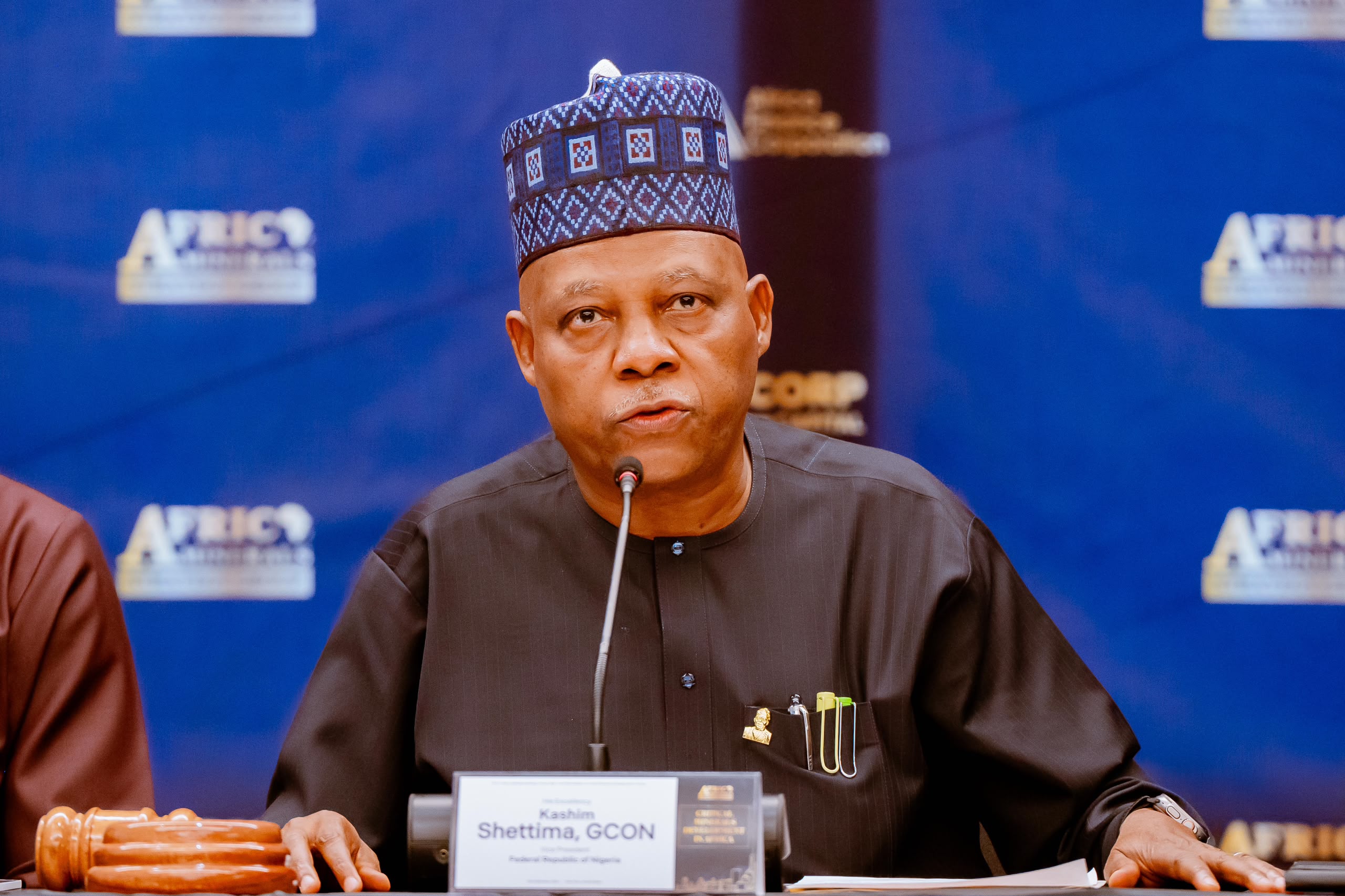
Vice President in New York
President Bola Ahmed Tinubu has called on African countries to stop exporting their mineral wealth in raw form without ensuring that the people and communities where the resources are extracted benefit meaningfully from them.
Tinubu made the call as African leaders, investors and mining stakeholders gathered in New York for the third High-Level Roundtable of the Africa Minerals Strategy Group (AMSG), held on the sidelines of the 81st United Nations General Assembly.
Represented by Vice President Kashim Shettima, the President stressed the need for stronger cooperation among African countries on mineral governance, local processing and value addition.
For communities sitting on deposits of gold, lithium, tin, iron ore and other strategic minerals, the issue goes beyond what is extracted from the ground. It is also about whether mining creates decent jobs, supports local businesses, improves infrastructure and leaves lasting economic opportunities behind.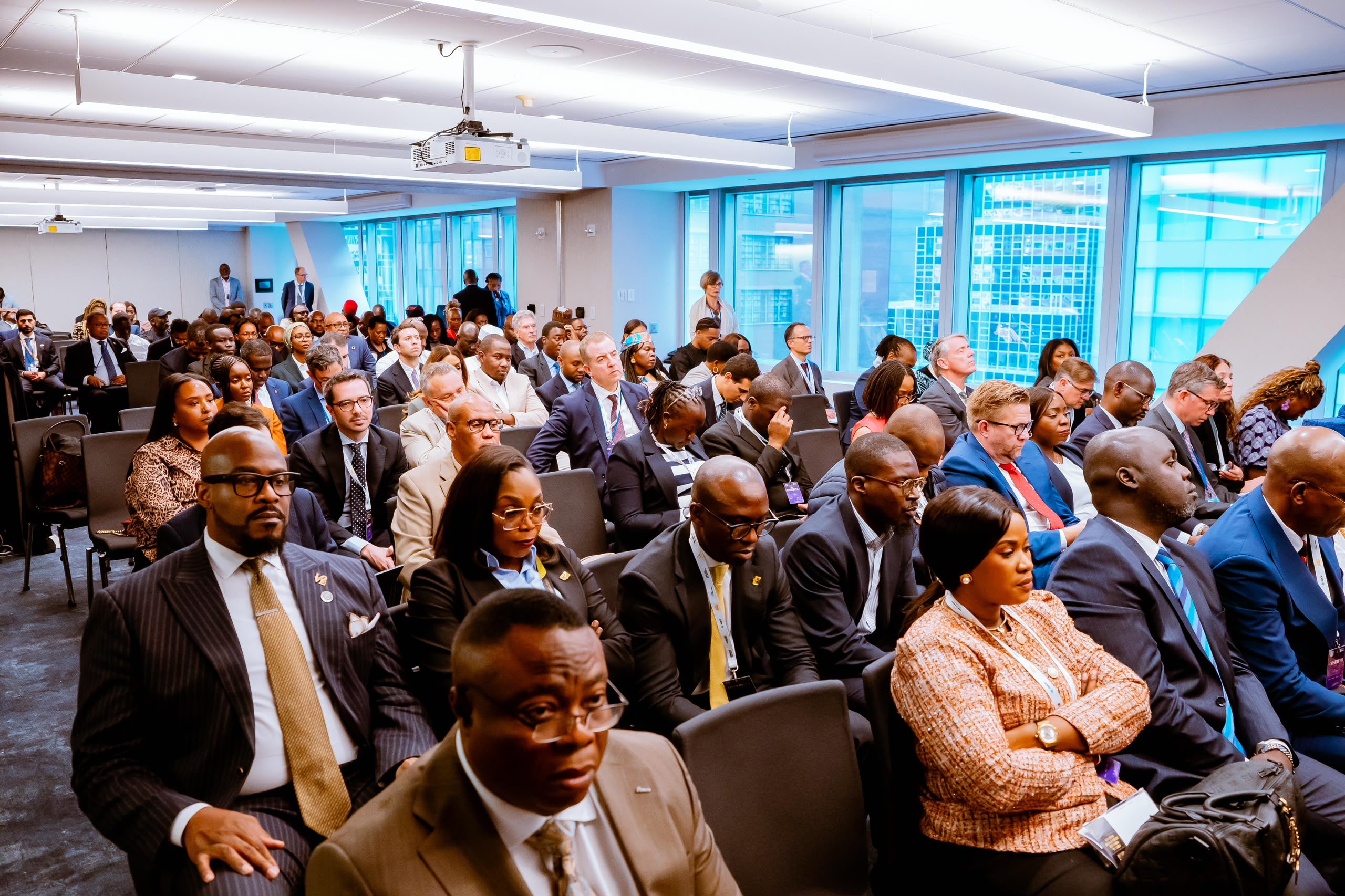
Tinubu challenged AMSG member countries to develop bankable mining projects capable of attracting investment, creating jobs and strengthening Africa’s position in the global mineral value chain.
The President’s position reflects a broader push by the AMSG to move Africa away from the traditional extract-and-export model and towards processing minerals within the continent, allowing African economies to capture more of the value generated from their natural resources.
At the meeting, the Minister of Solid Minerals Development, Dr Dele Alake, also drew attention to the people at the grassroots whose livelihoods depend on mining, particularly artisanal miners.
Alake called for the formalisation of artisanal mining to make the sector safer, better regulated and more productive, rather than treating miners solely as criminals.
He expressed concern over the loss of lives in mine-site collapses, stressing the need to bring artisanal miners into a structured system where they can operate under safer conditions.
Many of these miners, he noted, are breadwinners whose families depend directly on the income they earn from the sector.
The intervention highlights the human cost of an unregulated mining industry, where unsafe working conditions can turn a source of livelihood into a life-threatening occupation.
Kenya’s Minister of Mining, Blue Economy and Maritime Affairs, Hassan Ali Joho, meanwhile, advocated greater sharing of geological and mineral data among African countries, arguing that stronger knowledge of the continent’s mineral resources would support better planning and investment.
The Africa Minerals Strategy Group is an intergovernmental platform focused on coordinating critical-mineral policies, promoting local value addition and advancing sustainable mining development across the continent.
The New York roundtable, themed “From Resources to Wealth,” focused on mineral value addition, data sovereignty, innovative financing and critical minerals security.
Among those who attended were Foreign Affairs Minister Ambassador Bianca Odumegwu-Ojukwu, Nigeria’s Permanent Representative to the United Nations, Ambassador Jimoh Ibrahim, and Governors Babagana Zulum of Borno, Abdullahi Sule of Nasarawa, Nasir Idris of Kebbi and Siminalayi Fubara of Rivers State.
African and international investors, development finance institutions and other stakeholders in the mining sector also participated in the high-level discussions.
For Africa, the central question is increasingly shifting from what lies beneath the soil to what the continent can build from it—including industries, jobs, skills and stronger local economies for the people who live closest to its mineral wealth.Editor’s note: I changed “Tinubu explodes” from the body’s framing into a punchier headline while keeping the substance factual. The State House has separately documented Tinubu’s call for Africa to secure greater value from its minerals and avoid remaining merely a source of raw materials.
