



Nigeria Unveils Business Action Plan to Tackle Biodiversity Loss
New roadmap targets restoration of degraded ecosystems, stronger green finance and nature-friendly business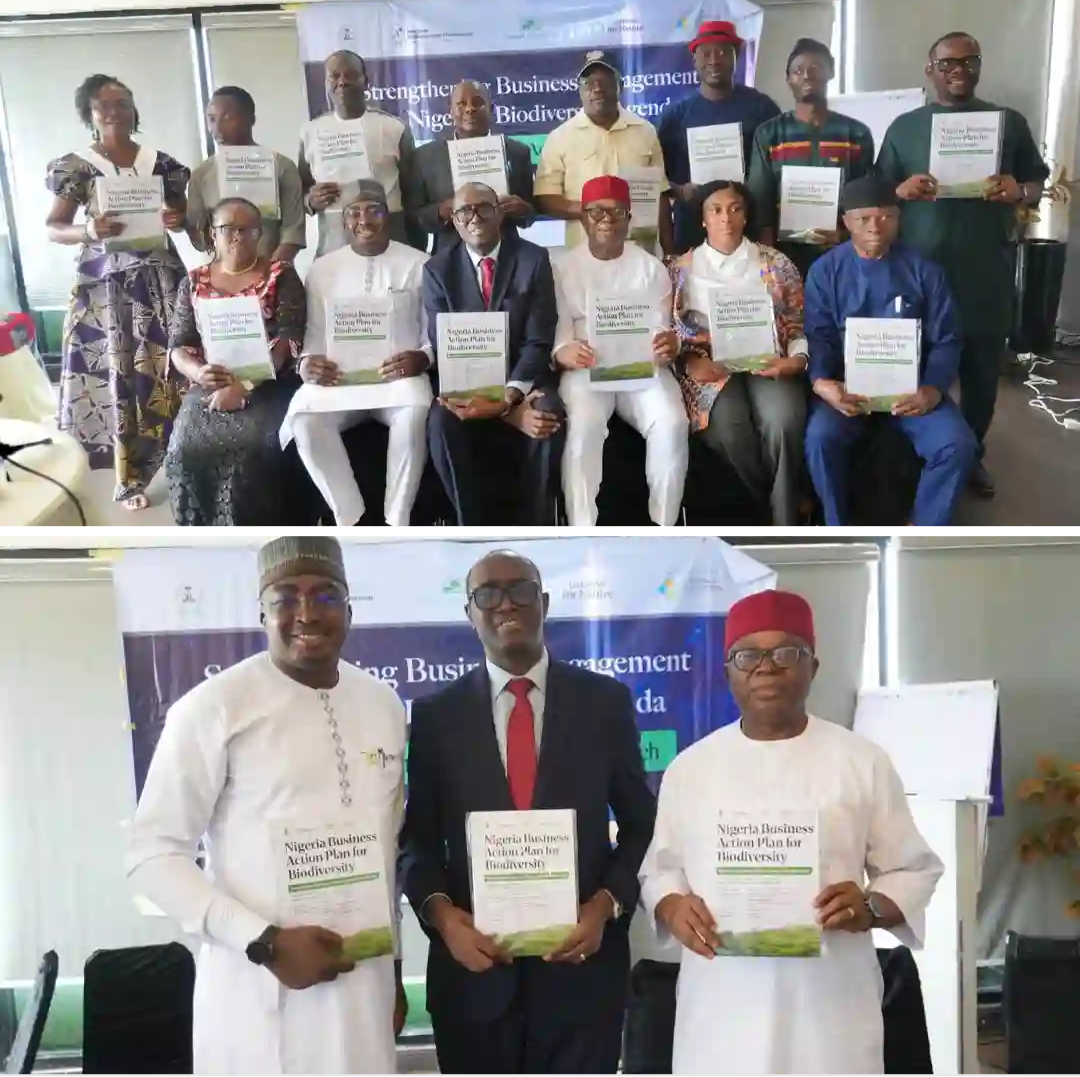
Nigeria has taken a major step towards making businesses part of the fight against biodiversity loss with the inauguration of the Business Action Plan for Biodiversity (BAP), a roadmap designed to bring nature conservation closer to everyday business decisions.
The initiative comes at a time when Nigeria’s rich natural heritage is facing growing pressure from rapid population growth, agricultural expansion, extractive activities, habitat destruction and weak enforcement of environmental regulations.
From forests and wetlands to rivers, farmlands and wildlife habitats, these natural systems provide resources and services that millions of Nigerians depend on for food, livelihoods, water, employment and economic activity.
But as these ecosystems come under increasing pressure, businesses are also beginning to face the consequences, making private-sector participation in biodiversity conservation increasingly important.
The Business Action Plan is designed to serve as a practical link between Nigeria’s national biodiversity goals and decisions made by businesses, investors and financial institutions.
Following a Final Validation Workshop, stakeholders from government, the private sector, financial institutions and civil society formally inaugurated the plan, signalling a renewed push to make biodiversity conservation part of Nigeria’s economic development agenda.
Among its key targets is the restoration of 30 per cent of degraded ecosystems, alongside efforts to mainstream biodiversity considerations into corporate and public policy decisions.
The plan also seeks to mobilise more than ₦500 billion in green finance and biodiversity investment, while strengthening biodiversity monitoring, reporting and partnerships among stakeholders.
For communities whose livelihoods depend directly on healthy forests, productive farmland, clean water and other natural resources, the success of the plan could have implications far beyond environmental protection.
It could also mean more opportunities for sustainable agriculture, nature-based enterprises, green investment and jobs, while helping businesses reduce risks associated with environmental degradation.
The BAP equally recognises the importance of indigenous knowledge in the sustainable management and conservation of Nigeria’s natural resources, bringing community experience into a broader national framework for protecting biodiversity.
Speaking at the event, the Director-General of the Nigerian Conservation Foundation (NCF), Dr. Joseph Onoja, described biodiversity as an increasingly important global priority, highlighting Nigeria’s efforts to translate international commitments into practical action through the National Biodiversity Strategy and Action Plan (NBSAP) 2025–2030.
The inauguration marks an important milestone, but stakeholders acknowledge that the real test lies ahead—in moving from policy documents and commitments to measurable action on the ground.
With businesses, government, financial institutions, civil society and communities now expected to play complementary roles, the Business Action Plan for Biodiversity seeks to make nature protection not just an environmental responsibility, but part of Nigeria’s broader economic and development strategy.
The plan has been inaugurated. The next challenge is turning its ambitions into action—and ensuring that both people and nature benefit.
#NCF #NaturePositiveNigeria #BiodiversityConservation #NBSAP #SustainableGrowth #GreenFinance #ClimateAction #Biodiversity
