



Cold-chain expansion, growing communities top agenda as SCI delegation visits Lagos Primary Health Care Board
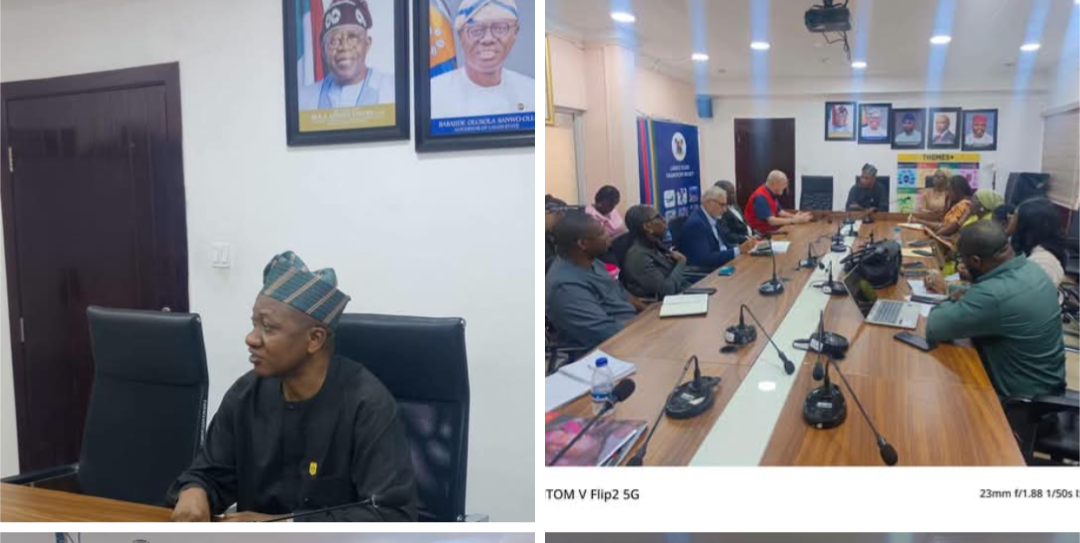
The Lagos State Primary Health Care Board (LSPHCB) and Save the Children International (SCI) are strengthening collaboration to ensure that more children across Lagos, particularly those in underserved and rapidly growing communities, have access to life-saving routine immunisation.
The renewed partnership took centre stage on Thursday, September 17, 2026, when a high-level SCI delegation led by its Country Director, Mr. Duncan Harvey, paid a courtesy visit to the Board as part of the organisation’s global leadership tour in Nigeria.
The visit was also aimed at assessing the impact of the BOOST Project—Better Opportunities for Optimal Services and Targeted Immunisation for Zero-Dose and Under-Immunised Children—and identifying strategic priorities for improving child health across the state.
Receiving the delegation, the Permanent Secretary of the LSPHCB, Dr. Ibrahim Akinwunmi Mustafa, appreciated Save the Children International for its continued support, stressing that Lagos’ rapidly expanding population makes sustained partnerships essential to keeping healthcare services within reach of families.
According to Dr. Mustafa, Lagos is not only Nigeria’s commercial nerve centre but also a major destination for migrants, with about 90 people reportedly arriving every hour to settle permanently in the state.
As new communities emerge and existing neighbourhoods become more densely populated, particularly in areas such as Alimosho and Ikorodu, the demand for healthcare services and routine childhood immunisation continues to rise.
For families in these communities, the challenge is not simply having a health facility nearby. Vaccines must be available, properly stored and safely delivered to children at the right time.
Dr. Mustafa therefore identified the expansion of cold-chain infrastructure as one of the areas where additional support from development partners would make a significant difference.
He explained that although the state already has plans to increase its vaccine storage capacity, technical support and additional equipment would be needed to preserve vaccine potency and extend immunisation services to newly developing settlements.
The Permanent Secretary also urged Save the Children to provide the Board with real-time findings from its field assessments, saying timely information would help health authorities identify emerging gaps and respond quickly to the needs of communities.
Responding, SCI Country Director, Mr. Duncan Harvey, commended the Lagos State Government for its investment in child health and nutrition, describing the state’s approach to routine immunisation as worthy of attention.
Harvey said Save the Children was interested in learning directly from Lagos’ operational strategies and successful interventions during the field assessment, with a view to adapting relevant lessons in other states where the organisation operates.
The engagement will extend beyond the boardroom, as the SCI leadership and health officials are scheduled to visit Agbede Primary Health Centre in Ikorodu Local Government Area.
At the facility, the delegation is expected to observe routine immunisation sessions, assess cold-chain facilities and interact with healthcare workers and community members.
The field visit is expected to provide a clearer picture of the realities facing families and frontline health workers, particularly in communities where population growth is putting additional pressure on primary healthcare services.
For Lagos families, the ultimate measure of such partnerships is simple: ensuring that no child is left behind because a vaccine was unavailable, inaccessible or improperly stored.
As the state continues to grow, collaboration between government and development partners such as Save the Children could remain critical to closing immunisation gaps and protecting more children from vaccine-preventable diseases.
