



The Central Bank of Nigeria (CBN) has highlighted the gains recorded from foreign exchange market reforms and the banking sector recapitalisation exercise, stressing the need for stronger governance, effective risk management and greater financial inclusion to sustain the resilience of the country’s financial system.
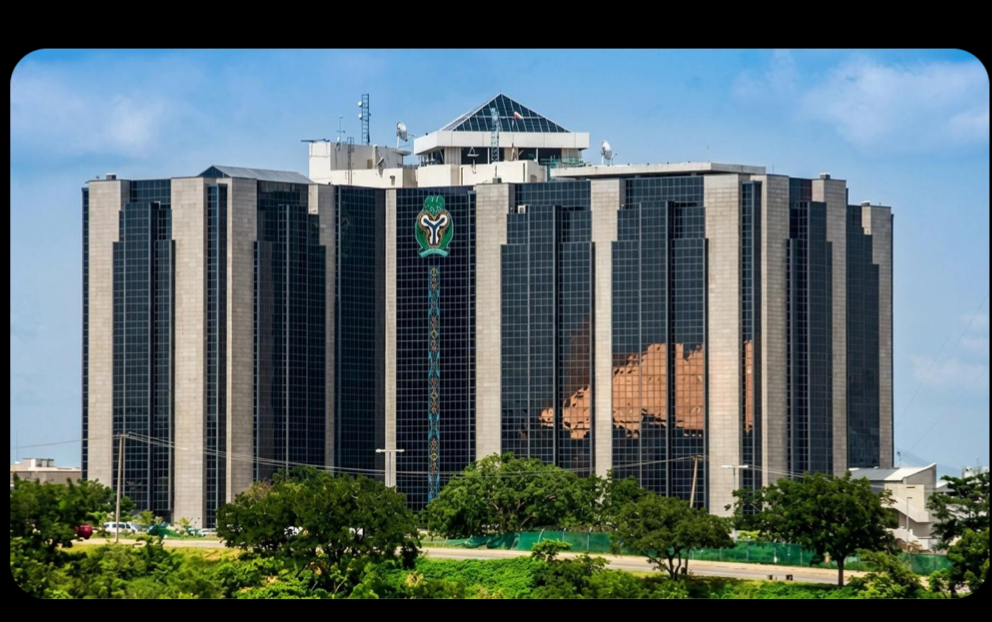
CBN Headquarters
The CBN Deputy Governor, Corporate Services, Dr Muhammad Abdullahi, disclosed this at the opening of the 38th Finance Correspondents Association of Nigeria (FICAN) Seminar in Abuja.
The seminar, with the theme, “Towards a Robust and Resilient Financial System in the Post-Banking Sector Recapitalisation Era,” brought together financial journalists and other stakeholders to examine developments and challenges in Nigeria’s financial sector.
Dr Abdullahi recalled that Nigeria’s foreign exchange crisis in 2023 imposed significant economic costs, estimated at three per cent of the country’s Gross Domestic Product (GDP), while also putting pressure on external reserves.
He explained that the CBN responded with measures aimed at stabilising the foreign exchange market, including the consolidation of multiple foreign exchange windows and the removal of import restrictions.
According to him, the apex bank also settled outstanding foreign exchange claims and introduced an electronic foreign exchange trading system, alongside tighter monetary policy, to improve transparency and efficiency in the market.
Dr Abdullahi said the measures had helped narrow the gap between the official and parallel market exchange rates to less than two per cent, describing the development as part of efforts to strengthen stability and confidence in the foreign exchange market.
On the banking sector, the Deputy Governor disclosed that Nigerian banks had raised ₦4.65 trillion in fresh capital through the recapitalisation exercise.
He said the additional capital had strengthened the capacity of banks to support economic growth and finance critical sectors, including infrastructure and industry.
Dr Abdullahi, however, stressed that stronger capital bases must be supported by sound governance structures, effective internal controls and robust cybersecurity measures to protect depositors, investors and other stakeholders.
He also called for greater attention to financial inclusion and consumer protection, particularly by improving access to financial services for underserved groups, including rural communities, women and young entrepreneurs.
The Deputy Governor urged stakeholders to play their respective roles through responsible supervision and continued collaboration to consolidate the gains of the reforms and build a more resilient financial system.
Also speaking, the Director, Corporate Communications and Investor Relations Department, CBN, Chukwuemeka Akula, urged banks to leverage their strengthened capital bases to build a financial system capable of absorbing economic shocks, financing productive activities and sustaining public confidence.
Akula noted that recapitalisation was no longer an ongoing programme but a condition for operating in the banking sector.
He said attention should now shift towards consolidating the gains of the exercise and ensuring that stronger financial institutions deliver tangible benefits to the wider economy.
Akula also commended the media for promoting public understanding of financial sector reforms and monetary policy decisions.
Financial journalists from Abuja and Lagos attended the two-day seminar.
By Ebere Obike
