
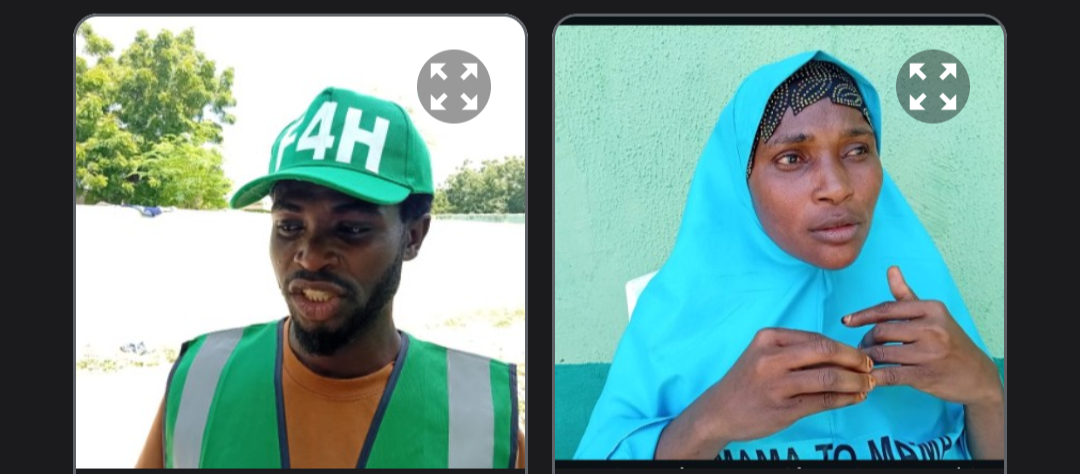



Even amid insecurity and socioeconomic challenges, ordinary citizens can make significant difference in building healthier communities.
In Bauchi State, community volunteers are helping to change long-standing attitudes towards maternal and child healthcare, encouraging more women to attend antenatal clinics, deliver their babies in health facilities and ensure their children receive routine immunisation.
The initiative is also addressing malnutrition, poor antenatal care attendance, low rates of hospital-based deliveries and inadequate postnatal care, which remain major challenges to maternal and child health in parts of the state.
Cultural beliefs and socioeconomic difficulties sometimes prevent women from accessing essential healthcare services, particularly when male partners withhold their support.
However, the establishment of community volunteer groups, including Mama2Mama and Fathers for Good Health, is gradually changing this narrative in selected local government areas.
Through interpersonal communication and household visits, the volunteers engage couples, sensitising them on the importance of adopting healthy practices that protect mothers and children from preventable illnesses and deaths.
These practices include regular antenatal visits, delivery by skilled birth attendants in health facilities, postnatal check-ups, exclusive breastfeeding and routine immunisation.
To assess the impact of the intervention, journalists in Bauchi State, including a Radio Nigeria correspondent, embarked on an assessment tour of Jama’are Local Government Area, one of the areas benefiting from the programme.
The intervention is supported by a United States government grant to the Bauchi State Government through the United Nations Children’s Fund, UNICEF, Bauchi Field Office, with a focus on preventing malnutrition during the first 1,000 days of a child’s life.
Why the First 1,000 Days Matter
The first 1,000 days, covering pregnancy and the period up to a child’s second birthday, represent a critical window for growth and development.
During this period, adequate maternal nutrition, appropriate infant feeding and access to essential healthcare services are vital to ensuring children develop properly and avoid preventable health complications.
Health experts recommend that mothers maintain a nutritious diet during pregnancy to support the development of the unborn child and their own health.
Immediately after birth, babies should receive colostrum, the nutrient-rich first breast milk, which provides essential nutrients and antibodies. This should be followed by exclusive breastfeeding for the first six months, after which appropriate complementary foods should be introduced alongside continued breastfeeding.
Exclusive breastfeeding supports a child’s growth and development, strengthens the immune system and reduces the risk of common childhood illnesses.
Routine immunisation is equally important, protecting children against vaccine-preventable diseases and reducing the risk of severe illness and death.
For families in communities where access to healthcare is affected by poverty, cultural beliefs or limited awareness, the support of trained community volunteers can make the difference between seeking timely medical attention and missing essential services.
Changing Attitudes, One Household at a Time
In Jama’are Local Government Area, volunteers working under the Mama2Mama and Fathers for Good Health initiatives are helping families reconsider practices that could put the lives of mothers and children at risk.
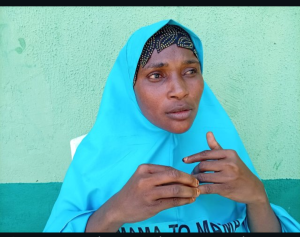
One of the volunteers, Ummukurthum Aliyu, who visits households to sensitise women on the importance of positive healthcare practices, said the approach had helped change perceptions among many women in the community.
She explained that the direct engagement with families was encouraging more women to seek essential healthcare services.
“The women now attend antenatal care, embrace hospital delivery with skilled birth attendants and take their children to routine immunisation centres for services,” she said.
The approach recognises that improving maternal and child health requires more than the availability of health facilities. It also depends on families understanding the benefits of healthcare and supporting women to make informed decisions.
By engaging households directly, the volunteers are helping to bridge the gap between health information and actual behavioural change.
Their efforts are particularly important in communities where traditional beliefs, misinformation and financial constraints can discourage women from seeking professional healthcare.
UNICEF, Bauchi Government Strengthen Community Health Intervention
A representative of the intervention, Fatima Muhammad Gainako, expressed optimism that sustained awareness campaigns and community participation would contribute to improvements in the state’s maternal and child health indicators in future surveys.
She pledged to sustain efforts to educate families on preventing malnutrition during the first 1,000 days of a child’s life.
The Executive Chairman of the Bauchi State Primary Health Care Board, Dr Rilwanu Mohammed, also acknowledged the contributions of community volunteer groups to improving healthcare practices across the state.
Dr Mohammed commended the United States government for supporting the intervention through UNICEF’s Bauchi Field Office, assuring that the state would sustain its partnership with relevant stakeholders to improve healthcare delivery.
The collaboration underscores the importance of combining government health services with community-led initiatives to reach households that may otherwise be left behind.
More Than 40,000 Children Receive Nutritional Support
Beyond community sensitisation, the intervention has provided nutritional support to vulnerable children while strengthening the capacity of healthcare workers and community volunteers.
UNICEF Nutrition Specialist, Mrs Philomena Irene, disclosed that more than 40,000 children aged six to 23 months had received Small Quantity Lipid-based Nutrient Supplements, known as SQ-LNS, under the programme.
SQ-LNS are nutrient-dense food supplements packaged in small sachets and designed to help prevent nutritional deficiencies and reduce the risk of malnutrition among young children.
Mrs Irene said the intervention had also trained more than 6,000 Mama2Mama and Fathers for Good Health volunteers to provide public health information on malnutrition prevention and other essential practices during the first 1,000 days.
She added that the programme had supported healthcare workers and strengthened health information and logistics management systems to improve the delivery of nutrition services.
“With the support from the US government, we’ve trained over fifty healthcare workers on the provision of SQ-LNS, strengthened the logistics information management system and strengthened the district health information management system,” she said.
According to her, nutrition committees at the local government level had also been strengthened to take the lead in implementing both nutrition-sensitive and nutrition-specific interventions.
These measures are intended to improve coordination, expand access to nutrition services and strengthen the capacity of local institutions to respond to malnutrition.
Community Action as a Path to Better Health
The experience in Jama’are highlights how community participation can complement formal healthcare services in addressing maternal and child health challenges.
While insecurity, poverty and other socioeconomic difficulties continue to affect many communities, the work of local volunteers demonstrates that individuals can still contribute to positive change through awareness creation, household engagement and sustained advocacy.
For mothers, the benefits may mean attending antenatal clinics regularly, receiving professional assistance during childbirth and accessing postnatal care.
For children, they may mean better nutrition, exclusive breastfeeding during the first six months, appropriate complementary feeding and timely immunisation.
However, sustaining these gains will require continued government commitment, reliable healthcare services, adequate nutrition support and the active involvement of families and community leaders.
Ultimately, the success of the intervention will be measured not only by the number of volunteers trained or children reached, but also by lasting improvements in nutrition, healthcare access and the survival and well-being of mothers and children across Bauchi State.
