
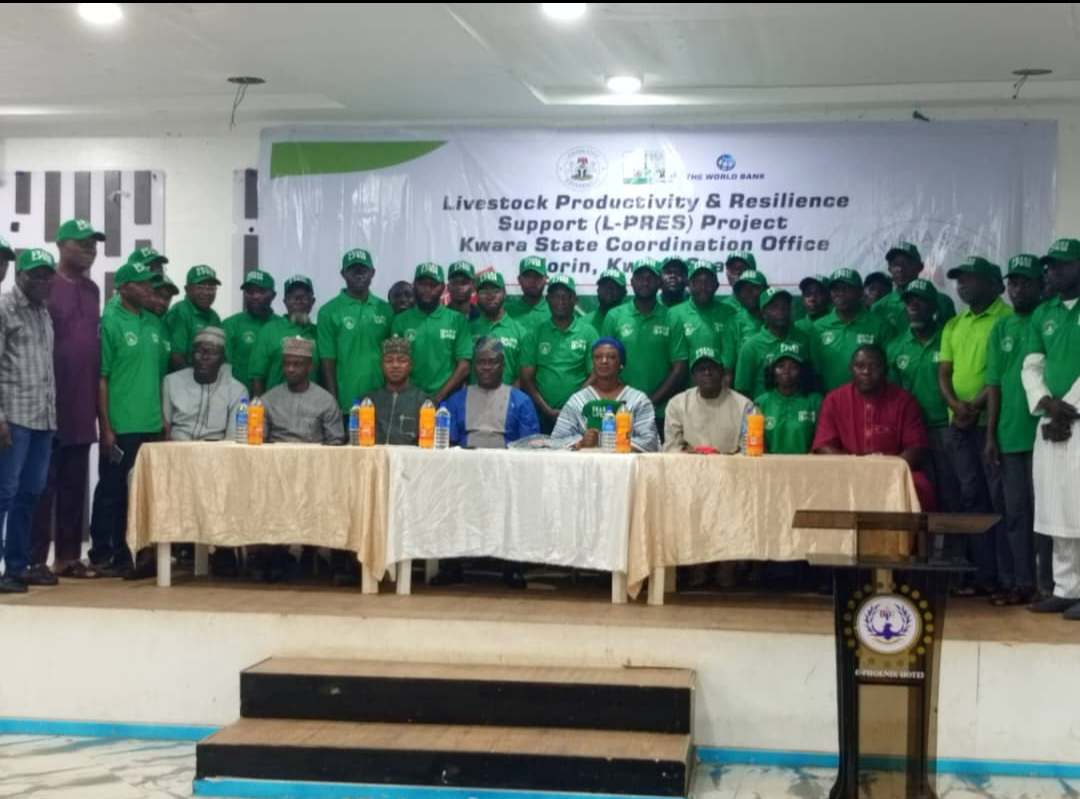



The Kwara State Government has trained 100 livestock farmers on biosecurity measures aimed at preventing disease outbreaks, improving animal health and reducing economic losses in the livestock sector.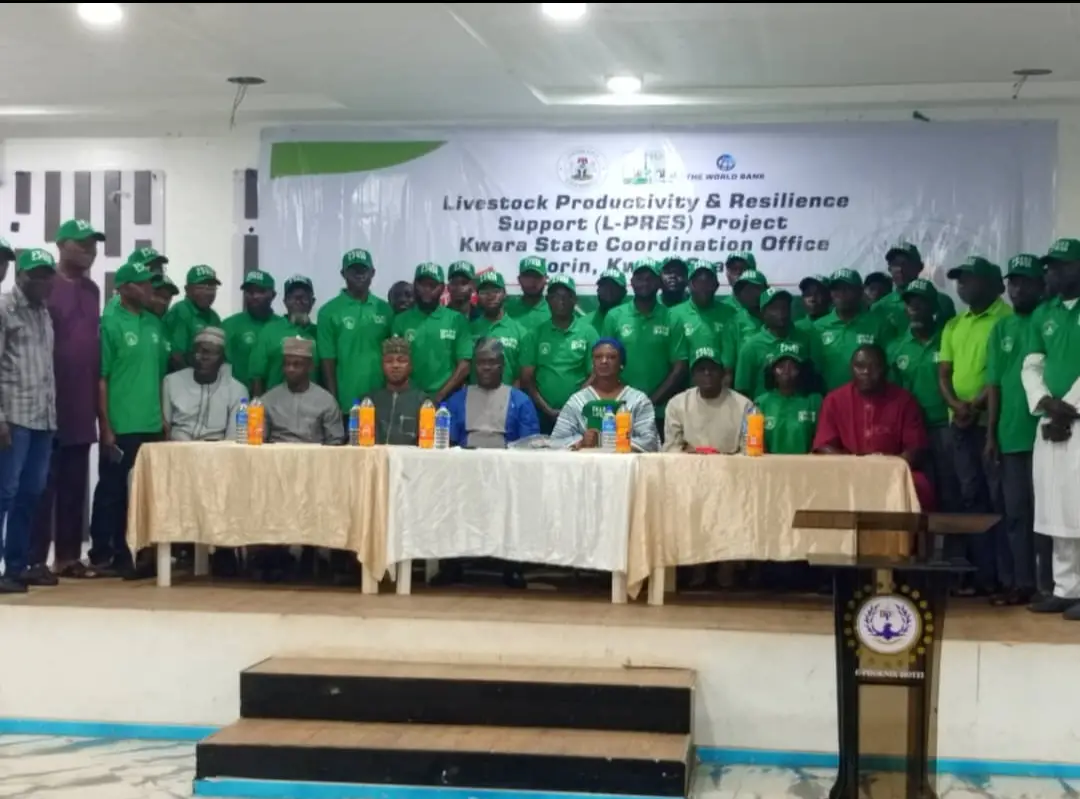
The training was conducted during a two-day workshop in Ilorin, where participants were taken through practical measures for preventing the introduction and spread of infectious diseases on farms.
Speaking at the workshop, the State Commissioner for Livestock Development, Mrs Oloruntoyosi Thomas, said the livestock sector continues to face persistent threats from infectious diseases capable of devastating herds, reducing productivity and causing substantial economic losses to farmers and the state.
Thomas described livestock production as a critical pillar of Nigeria’s agricultural economy, noting that the sector contributes significantly to food security, employment generation and rural development.
She defined biosecurity as a set of management practices and measures designed to prevent the introduction and spread of infectious diseases onto, within and from a farm.
According to her, biosecurity is a proactive approach that focuses on disease prevention rather than treatment.
She said the training was designed to equip farmers with the knowledge and practical skills required to implement effective biosecurity measures on their farms and within their organisations.
The commissioner said effective biosecurity protects animal health and welfare, enhances productivity and profitability, reduces disease-related production losses, minimises the need for antibiotics and veterinary interventions, and lowers the risk of zoonotic diseases.
She also noted that improved biosecurity could protect market access and create better opportunities for livestock trade.
Emphasising the link between animal health and productivity, Thomas said healthy animals are more productive because disease prevention enables livestock to grow faster, produce more milk, gain weight efficiently and reproduce successfully.
She explained that for dairy farmers, effective biosecurity could result in higher milk yields and improved milk quality, while beef producers could benefit from healthier cattle reaching market weight faster, reducing feeding costs and improving returns.
For poultry and small-ruminant farmers, she said, stronger biosecurity could reduce mortality and improve flock performance.
The commissioner urged farmers to make deliberate investments in biosecurity infrastructure, including perimeter fencing, vehicle sanitation stations, quarantine facilities, footbaths, designated clean and dirty areas, and proper drainage systems.
She stressed that physical infrastructure must be supported by standard operating procedures that clearly define how farm activities should be carried out consistently to prevent disease introduction and spread.
The Permanent Secretary in the ministry, Alhaji Yahaya Ahmed, highlighted the importance of livestock production to the state economy and called for the institutionalisation of biosecurity practices on farms across Kwara.
Ahmed urged farmers and other stakeholders to adopt proper biosecurity measures throughout the livestock value chain, from production to processing and marketing.
The Director of Veterinary Services in the ministry, Dr Abdulateef Olugbodun, expressed optimism that the training would provide participants with practical knowledge in farm hygiene, movement control, waste management and disease reporting.
Also speaking, Dr Aisha Olatunji of the University of Ilorin Teaching Hospital, UITH, said poor biosecurity practices had contributed to high mortality, low productivity and economic losses among livestock farmers.
She identified zoonotic infections, transboundary animal diseases and antimicrobial resistance as major threats to both animal and human health.
The L-PRES Coordinator in Kwara State, Olusoji Oyawoye, urged participants to translate the lessons from the workshop into practical action on their farms.
Oyawoye said farmers, extension agents and other stakeholders should take responsibility for implementing recommended biosecurity measures and ensure that the knowledge gained reaches livestock farmers at the grassroots.
