



Omi-Eko Waterways Project Targets 540,000 Waterfront Residents
For more than 540,000 residents living in waterfront communities across Lagos, the waterways could soon become more than a route across the city—they could become a faster, safer and more reliable connection to jobs, businesses, schools and other opportunities.
This is the ambition behind the Lagos State Government’s €410 million Omi-Eko Waterways Project, which is being implemented to develop an integrated inland waterways transportation system and connect it with the state’s existing road and rail networks.
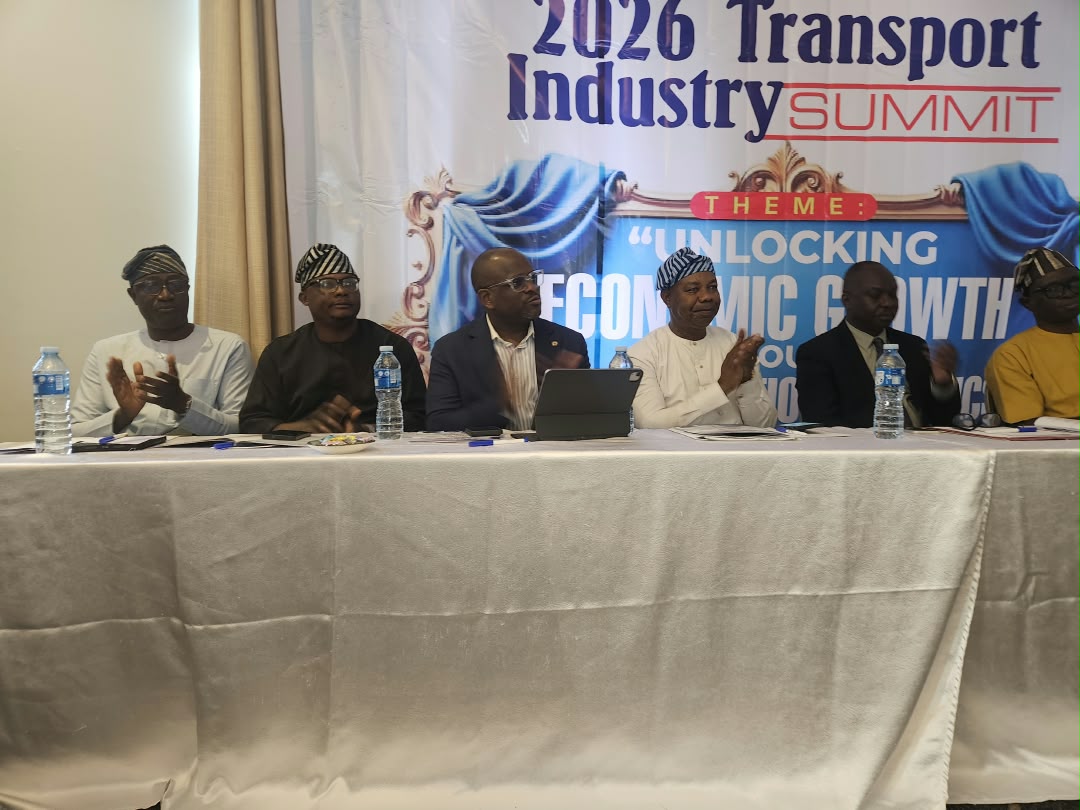
The Special Adviser to the Lagos State Governor on Blue Economy, Mr Oluwadamilola Emmanuel, disclosed details of the project at the 2026 Transport Correspondents Association of Nigeria, TCAN, Summit in Lagos.
Emmanuel said the project was designed to improve transportation for waterfront communities while providing alternative mobility corridors for residents dealing with traffic congestion, rising transport costs and limited road space.
For commuters travelling between areas such as Ikorodu and central Lagos, the difference could be significant. Emmanuel said a journey from Ikorodu to Falomo that can take more than an hour by road could potentially be completed in about 25 to 30 minutes by water.
He explained that the project is being developed against the reality that many waterfront residents already depend on the waterways for transportation, livelihoods and other economic activities.
Under the five-year project, the state plans to establish 15 structured ferry routes, dredge about 140 kilometres of waterways, upgrade 25 ferry terminals and introduce 78 modern electric ferries.
The vessels, according to Emmanuel, will have capacity for up to 440 passengers, while new passenger facilities, fleet maintenance infrastructure, improved navigation channels and climate-resilient infrastructure will also be developed.
The project followed a two-year pre-feasibility study conducted with support from the Agence Française de Développement, AFD.
Funding is being provided through a partnership involving the European Investment Bank, EIB, AFD, the European Union and the Lagos State Government. The EIB is expected to provide €170 million, AFD €130 million, while the European Union will contribute €60 million in grants. Lagos State is expected to provide €40 million, with another €10 million anticipated from private-sector participation, particularly investment in the ticketing system.
Beyond the infrastructure, the project is also expected to change how water transportation operates in Lagos.
Emmanuel said the government was developing a Vessel Industry Transition Programme to integrate informal water transport operators into a more structured system. The programme will provide for the integration or buyout of existing operators as the state moves towards a regulated waterways transport network.
Safety, he stressed, remains central to the initiative, with emphasis on regulatory enforcement, crew competence, vessel standards and emergency preparedness.
For some Lagos residents, however, the challenge is not simply whether a ferry is available but whether they feel confident enough to board one.
Emmanuel identified public awareness as a critical part of the project, acknowledging that fear, safety concerns and limited familiarity with waterways continue to discourage some residents from using water transportation.
The state, he said, is therefore strengthening regulation and safety oversight alongside the development of ferry terminals and navigation infrastructure.
The broader plan is to make Lagos transportation genuinely multimodal, with waterways working alongside rail, buses, private vehicles and park-and-ride facilities.
Emmanuel said the goal is to create one interconnected transportation network rather than separate systems operating independently. Such integration, he explained, could improve first-mile and last-mile connectivity, reduce travel times and make journeys more predictable for passengers.
The economic implications could also extend beyond transportation.
Improved water connectivity could make it easier for workers to reach their workplaces, businesses to access markets and waterfront communities to connect with economic opportunities elsewhere in the state.
Emmanuel disclosed that a recent study had identified 34 additional maritime communities requiring improved connectivity.
Expanding integrated water transportation to those communities, he said, could help reduce pressure on Lagos roads while creating opportunities in maritime, green and blue economy activities.
For a city surrounded by water and increasingly challenged by road congestion, the Omi-Eko project is therefore being positioned as more than a ferry project. It is part of Lagos State’s wider plan to use its waterways to improve mobility, expand economic inclusion and bring transportation opportunities closer to communities that have long depended on the water.
By Victor Okie
