
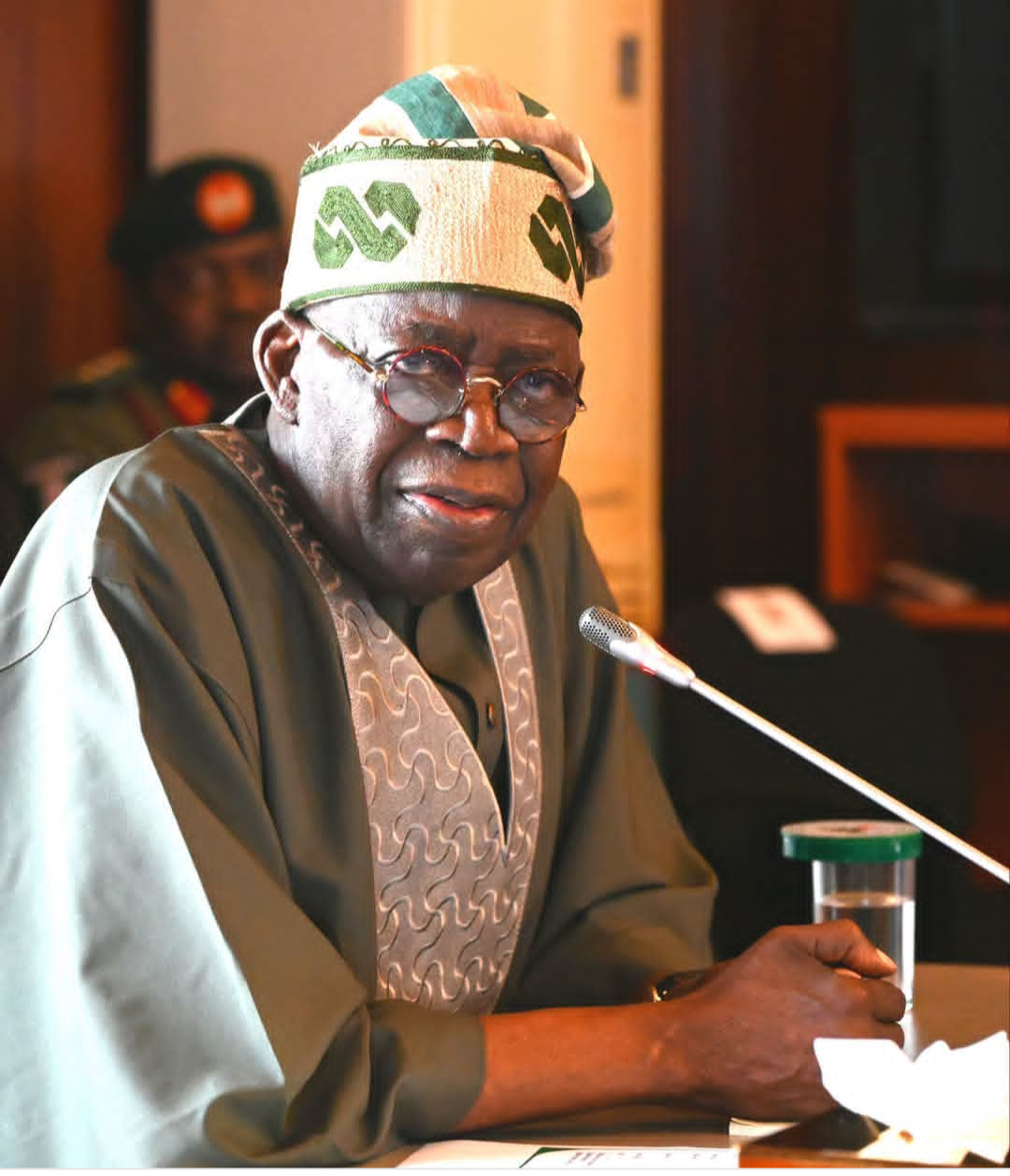



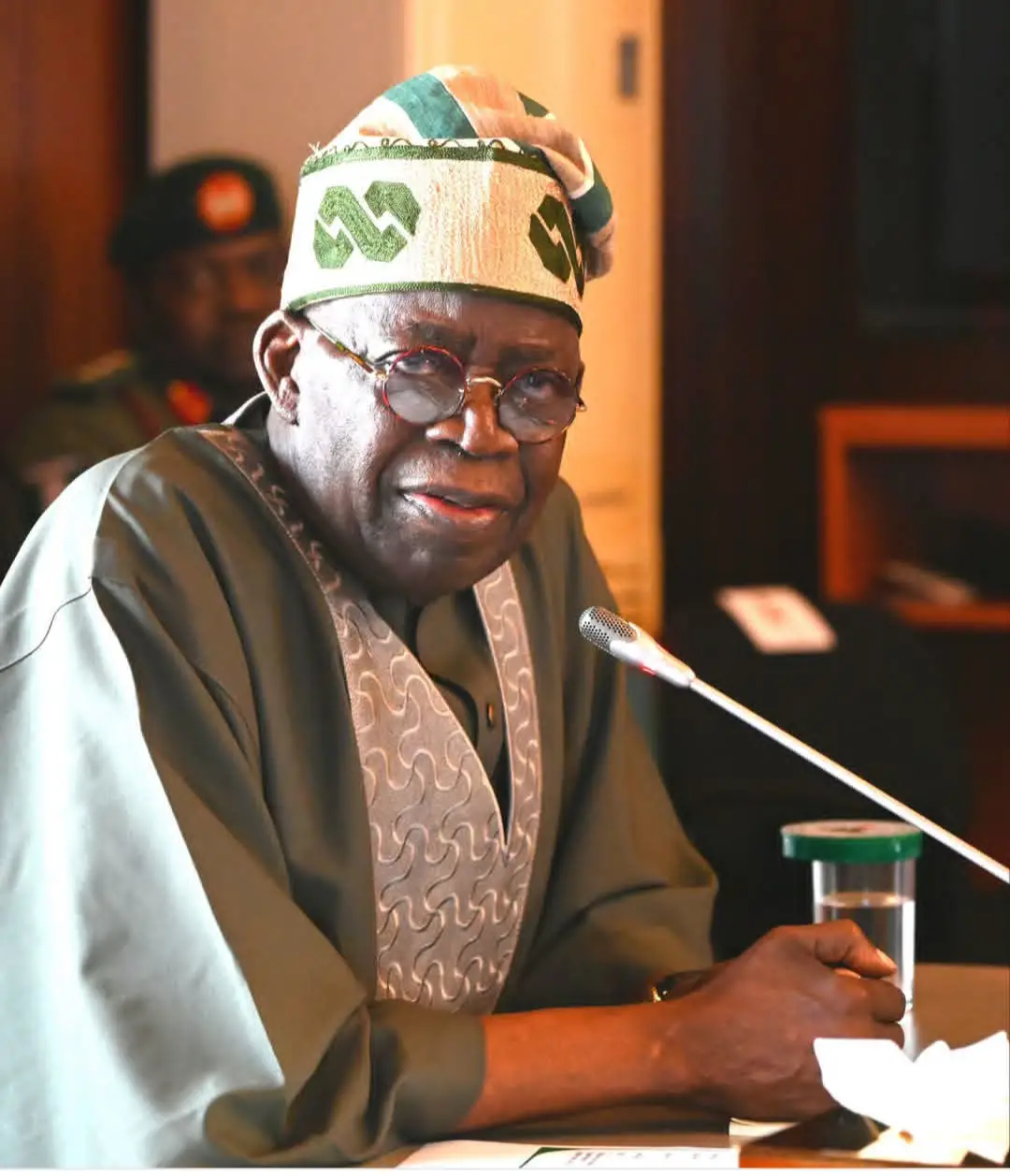
Tinubu
President Bola Ahmed Tinubu’s decision to miss the United Nations General Assembly in New York for the third consecutive year has triggered fresh criticism and heated debate among Nigerians, particularly across social media, with some questioning the implications of the President’s absence for Nigeria’s global diplomatic presence.
Tinubu is not attending the ongoing 81st session of the UN General Assembly, with Vice-President Kashim Shettima leading Nigeria’s delegation and expected to deliver the country’s national statement and participate in high-level and bilateral engagements.
The Presidency has maintained that Nigeria is fully represented and that Tinubu’s absence does not diminish the country’s diplomatic standing.
But for some Nigerians reacting online, the issue goes beyond who is physically delivering Nigeria’s statement.
They argue that the personal presence of the Nigerian President at the annual gathering of world leaders provides an opportunity to pursue diplomatic relationships, attract investment and directly project the country’s interests before the international community.
Social-media discussions, including reactions reported from Facebook and other platforms, have featured questions over why Tinubu is spending his extended stay in Europe while the world’s leaders are converging on New York for the UNGA.
Some posts have drawn particular attention to Tinubu’s recent meeting with French President Emmanuel Macron in Paris.
Macron received Tinubu for a private dinner at the Élysée Palace on September 18, after which the French President travelled to New York for the UN General Assembly. Tinubu, meanwhile, remained in France as his overseas vacation was extended.
That development has fuelled a recurring question among critics online: why would the Nigerian President remain in France while the French President has left Paris to attend the global gathering in New York?
Opposition voices have also seized on the situation.
The African Democratic Congress, ADC, criticised Tinubu’s continued stay in France while Macron attends the UNGA, describing the situation in strongly worded terms.
The party argued that Nigeria should have its President personally engaging other world leaders at a forum of such significance.
A faction of the Peoples Democratic Party has similarly criticised the President’s extended stay abroad and his absence from the UNGA, arguing that Nigerians deserve an explanation for the repeated decision to delegate representation to the Vice-President.
Another strand of the online debate centres on Tinubu’s history with United States authorities. Some social-media users and political critics have alleged that the President is reluctant to travel to the US because of the long-running controversy surrounding a 1993 US forfeiture case involving funds associated with him.
Former Vice-President Atiku Abubakar has also publicly raised questions about whether Tinubu’s history with US authorities has influenced his repeated absence from the UNGA.
Atiku referred to the forfeiture proceedings and urged the Presidency to explain whether there is any legal, diplomatic, medical or personal reason preventing the President from attending.
He did not claim that Tinubu is legally barred from entering the United States.
The allegation has, however, been strongly rejected by the Presidency. Tinubu’s Senior Special Assistant on Foreign Affairs and Protocol, Ademola Osodi, said the President had no problem with the United States and pointed to Tinubu’s previous trips to America, including his attendance at the 78th UNGA in 2023.
Nigeria’s Permanent Representative to the UN, Ambassador Jimoh Ibrahim, had also said earlier in September that there was no notification from the US government restricting Tinubu’s movement and that the President and his family enjoyed freedom of transit under the UN-US agreement governing official UN activities.
Tinubu’s UNGA record has become particularly noticeable because he attended the 78th session in 2023, but did not attend the 79th in 2024 or the 80th in 2025, with Shettima representing him on those occasions. The Vice-President is again representing him at the 81st session.
The contrast with previous administrations has also become part of the public discussion. Former President Goodluck Jonathan personally addressed the UN General Assembly in several years, including 2010, 2011 and 2014, while former President Muhammadu Buhari delivered Nigeria’s national statement at the UNGA in years including 2019, 2021 and 2022.
Beyond the political arguments, some Nigerians online say repeated presidential absence from a major international forum creates an image problem for a country seeking a stronger voice in global affairs.
Others maintain that Nigeria’s interests can still be effectively represented when the President delegates the responsibility to the Vice-President.
The Federal Government has adopted the latter position, insisting that Shettima carries the full mandate of the President and that Nigeria’s delegation is participating in high-level meetings on issues including economic diplomacy, climate finance, development and reform of the global financial system.
For now, the debate remains as much about optics as diplomacy: while world leaders gather in New York to discuss conflicts, climate change, development, technology and global economic challenges, Nigeria’s President is in Europe, with his Vice-President representing the country at the UNGA.
Tinubu is expected to return to Nigeria at the weekend after extending his working vacation abroad.
