
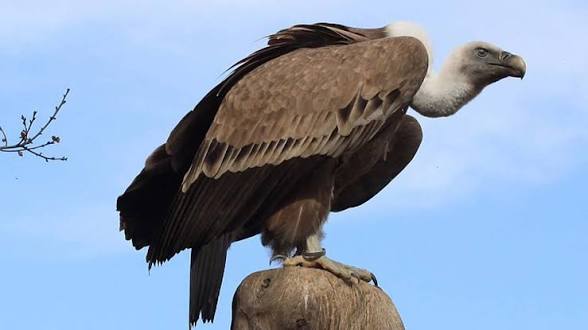



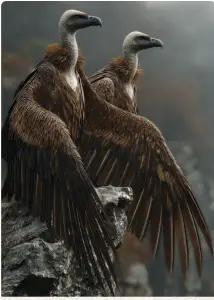
The Nigerian Conservation Foundation, NCF, is raising the alarm over the rapid decline of Nigeria’s vulture population, warning that illegal killing, poisoning and the trade in vulture parts could push some species to extinction.
As the world marks International Vulture Awareness Day 2026, the Foundation is calling for stronger enforcement of wildlife protection laws and the implementation of the West African Vulture Conservation Action Plan, WAVCAP.
Of the seven vulture species found in Nigeria, four are classified as Critically Endangered on the IUCN Red List — the Hooded Vulture, White-backed Vulture, Rüppell’s Vulture and White-headed Vulture.
The situation is particularly worrying for the Hooded Vulture, once a common sight around Nigerian cities and abattoirs. Its population has declined by an estimated 95 percent since the early 2000s.
Nigeria has also emerged as a major hub for the illegal regional trade in vulture parts, with research estimating that about 73 percent of vulture carcasses traded across West Africa pass through Nigerian markets.
The NCF Director General, Dr. Joseph Onoja, says Nigeria is at the centre of the regional conservation crisis.
“The crisis facing vultures is not happening somewhere far away. Nigeria is at the centre of this regional conservation challenge, including the illegal trade in vulture parts.”
He warns that continued poisoning, illegal killing and trafficking could have serious consequences for the country’s ecosystems.
“We cannot continue to lose these birds to poisoning, illegal killing and trafficking and expect our ecosystems to remain healthy.”
Vultures play an important but often overlooked role in keeping the environment clean. By consuming dead animals and organic waste, they help reduce the spread of diseases from animal carcasses to humans and other wildlife.
NCF says the crisis is also regional. The West African Vulture Conservation Action Plan identifies Nigeria and Benin as key hubs for cross-border vulture trading, making cooperation between neighbouring countries and enforcement agencies critical.
The Foundation is asking the Federal Government to:
Strengthen enforcement of wildlife protection laws and monitor markets involved in the illegal vulture trade.
Implement the adopted West African Vulture Conservation Action Plan, WAVCAP.
Establish Vulture Safe Zones and prevent poisoning while protecting important feeding and breeding areas.
NCF says it is already working with traditional medicine practitioners, communities and other stakeholders to reduce demand for vulture parts and promote alternatives.
The Foundation is also conducting satellite tagging, population surveys, conservation education and community engagement to better understand the threats facing the birds.
Dr. Onoja is urging Nigerians to reject illegally sourced vulture parts and report suspected wildlife crimes to the relevant authorities.
The message from conservationists is clear: Nigeria’s vultures are disappearing, and saving them will require urgent action before it is too late.
International Vulture Awareness Day is observed annually on the first Saturday of September to raise global awareness about the ecological importance of vultures, highlight the threats they face, and promote conservation efforts to protect these important scavengers and the vital role they play in maintaining healthy ecosystems.
By Innocent Onoh
