



NIIA Experts Warn That Global Power Politics Is Weakening International Law
When international law protects the weak but becomes optional for powerful nations, the question is no longer simply whether the law exists, but whether the global system has the will and capacity to enforce it.
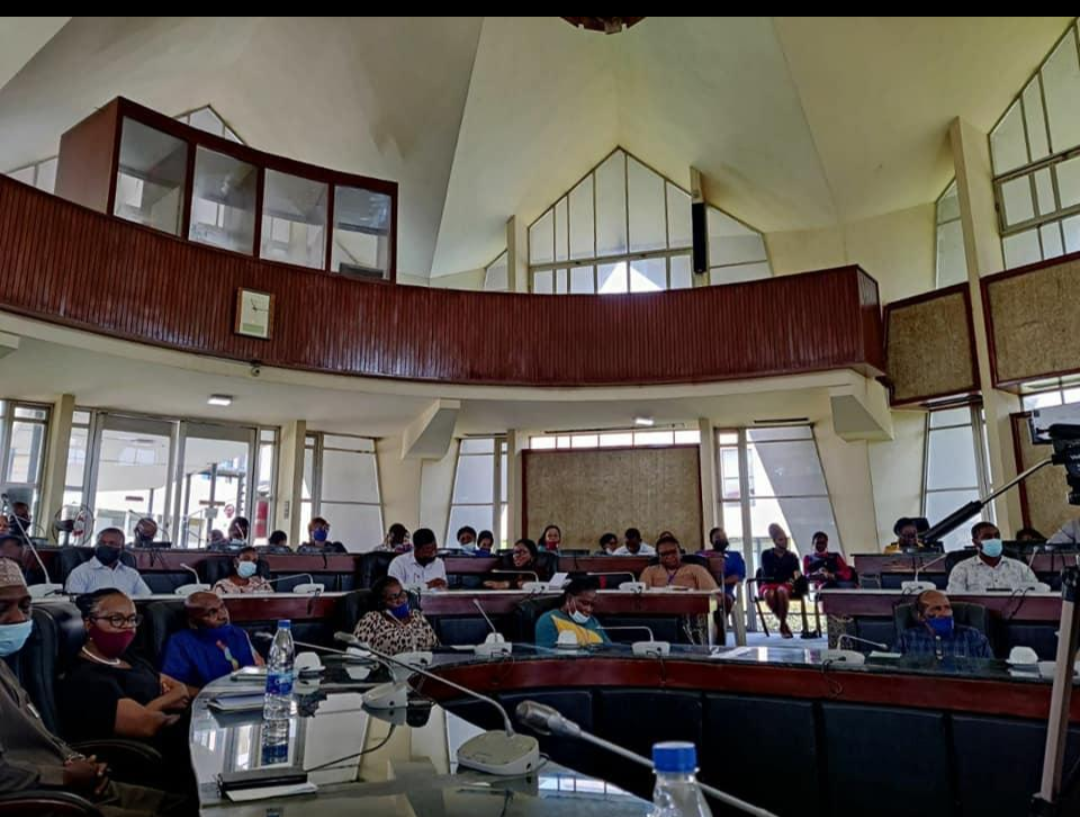
That question dominated a Foreign Policy Dialogue organised by the Nigerian Institute of International Affairs, NIIA, in Lagos, where foreign policy experts, academics and diplomats examined “The Evolving Global Order and the Future of International Law.”
The discussions came against the backdrop of growing tensions over the changing balance of global power, the rise of multipolar alliances and concerns about the ability of international institutions to hold powerful states accountable.
Former Director-General of the NIIA, Professor Bola Akinterinwa, who delivered the keynote lecture, argued that international law remains relevant but is applied selectively, particularly by powerful countries.
He noted that while international law continues to guide important aspects of global relations, powerful nations often observe it when doing so serves their interests.
“If you look at the 1945 Declaration of Human Rights, it’s guiding. It is still applied. It is selectively respected,” Akinterinwa said.
He added that international law was more effective in dealing with weaker countries because powerful states could choose when to comply.
“Those who always respect the international law, for whom it is very effective, are the weak nations. Those who are strong don’t bother. They respect international law when it is convenient,” he said.
Akinterinwa, however, rejected the idea that breaches of international law mean the system itself has become completely ineffective.
“It is partially effective. So, the mere fact that there are breaches does not mean that the international law is not effective in other areas,” he said.
According to him, the fundamental purpose of international law remains the maintenance of international peace and security.
The debate also focused on what the changing global order means for Nigeria and other African countries.
Director-General of the NIIA, Professor Eghosa Osaghae, described international law as one of the underlying pillars of the international order, stressing that Nigeria, like other members of the international community, is bound by international agreements it has voluntarily accepted.
“When you are a citizen of a country, you are bound by the rules of that country. Now, it’s almost the same with international law,” Osaghae said.
He noted that Nigeria is a signatory to the United Nations Charter and several international protocols covering economic and social relations.
Osaghae, however, acknowledged that the global system operates with an unwritten hierarchy in which wealthier and more powerful countries have greater leverage over how international rules are applied.
He said Nigeria and other countries in the Global South understand that the strength of the United Nations is also the strength of the rules-based international system.
“So, if we have these rules and they are complied with, Nigeria cannot unilaterally deal with international law, except Nigeria’s interests are grossly violated. That’s when Nigeria can seek redress,” he said.
He maintained that international law remained an important instrument for promoting global peace, security and prosperity.
The dialogue also examined the challenge of Nigeria finding an effective place in an increasingly complex and multipolar world.
Professor Femi Otubanjo of the NIIA argued that Nigeria’s influence abroad must be built on stronger institutions and better governance at home.
He said Nigeria remained an important player in West Africa through its role in ECOWAS and had historically occupied a leading position on the continent.
But to translate that influence into greater leverage internationally, he said, Nigeria must address weaknesses at home.
“You have to run free and fair elections. Nigeria has to run a corrupt-free economy. Nigerians must trust their leaders. They must trust their Police,” Otubanjo said.
Professor Adele Jinadu also stressed the need for African countries to become more proactive in shaping the emerging global order rather than remaining passive participants.
His position reflects a broader concern that Africa could lose further influence if the restructuring of global power takes place without meaningful African participation.
The discussions also touched on the emergence of groupings such as BRICS, the European Union and the African Union as part of the search for new centres of influence in a changing international system.
For Nigeria, the debate carries implications beyond diplomacy. The country’s ability to protect its economic interests, influence international decisions, defend its citizens and negotiate effectively in a changing global environment will increasingly depend on the strength of its domestic institutions and the clarity of its foreign policy objectives.
The Chairman of the occasion, former Minister of External Affairs, Professor Bolaji Akinyemi, led the gathering of diplomats, academics, researchers and international affairs stakeholders in interrogating the future of the global system.
The NIIA dialogue therefore placed a fundamental question before Nigeria and the wider international community: Can a changing world order remain genuinely rules-based when the countries with the greatest power can also exercise the greatest influence over the rules?
For Africa, the answer may depend increasingly on whether its countries can strengthen their institutions at home, act collectively and secure a more influential voice in shaping the international system.
The NIIA, Nigeria’s foremost think-tank on foreign affairs, has continued to use public lectures and policy dialogues to examine Nigeria’s place in a rapidly changing international environment.
