



For a mother walking into a primary healthcare centre to give birth, the quality of medical treatment matters — but so does the way she is treated, spoken to and supported through one of the most vulnerable moments of her life.
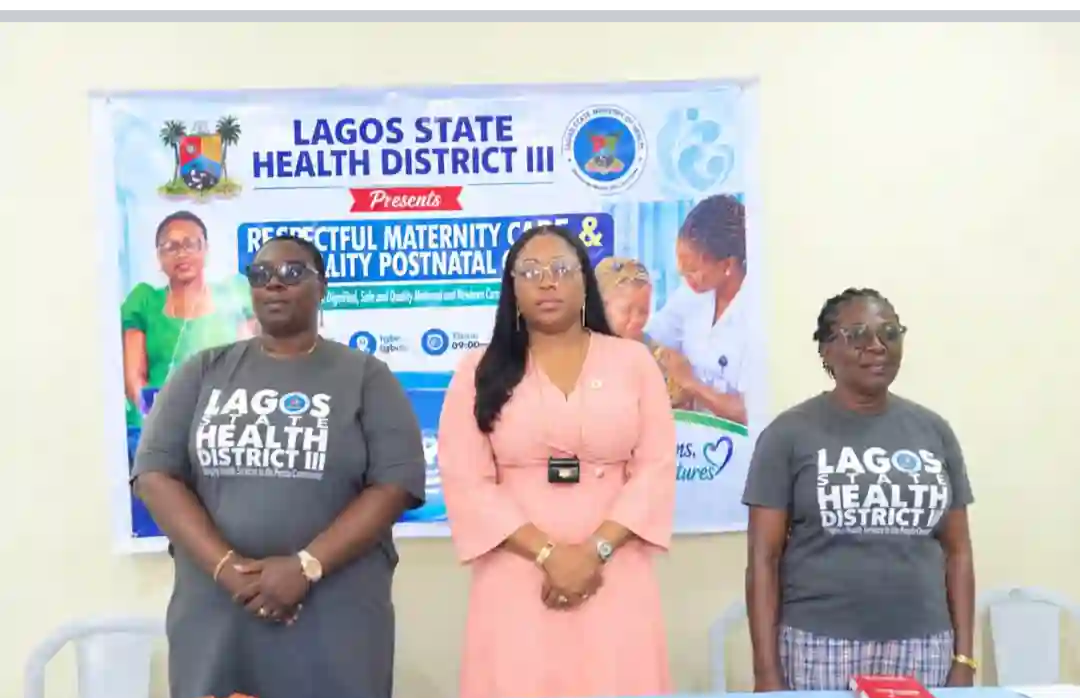
To strengthen that experience and improve outcomes for mothers and newborns, the Lagos State Government, through Health District III, has trained nurses, midwives, Officers-in-Charge and other frontline health workers across Ibeju-Lekki, Eti-Osa and Epe on respectful maternity care.
The training, held at Igbo-Efon Primary Healthcare Centre, Igbo-Efon, Ajah, focused on respectful maternity care, quality postnatal services and effective home visits as part of efforts to improve maternal and newborn health at the primary healthcare level.
Speaking during the programme, Dr. Monsurat Adeleke said the training was designed to strengthen the knowledge, skills and professional attitude of health workers in delivering safe, respectful and evidence-based maternity and postnatal care.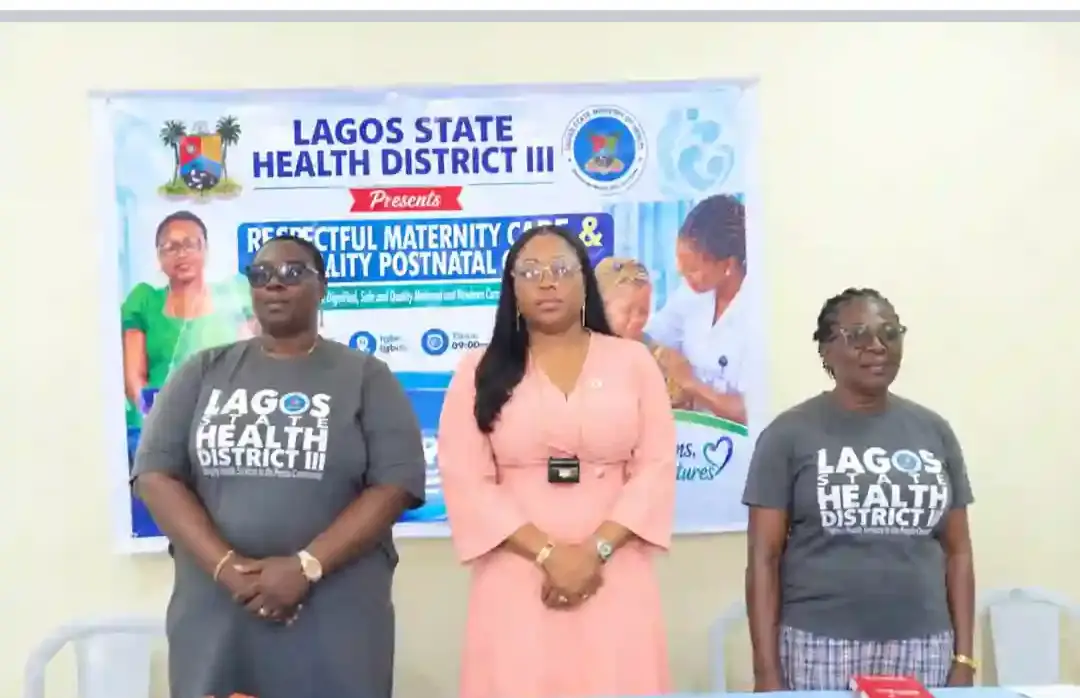
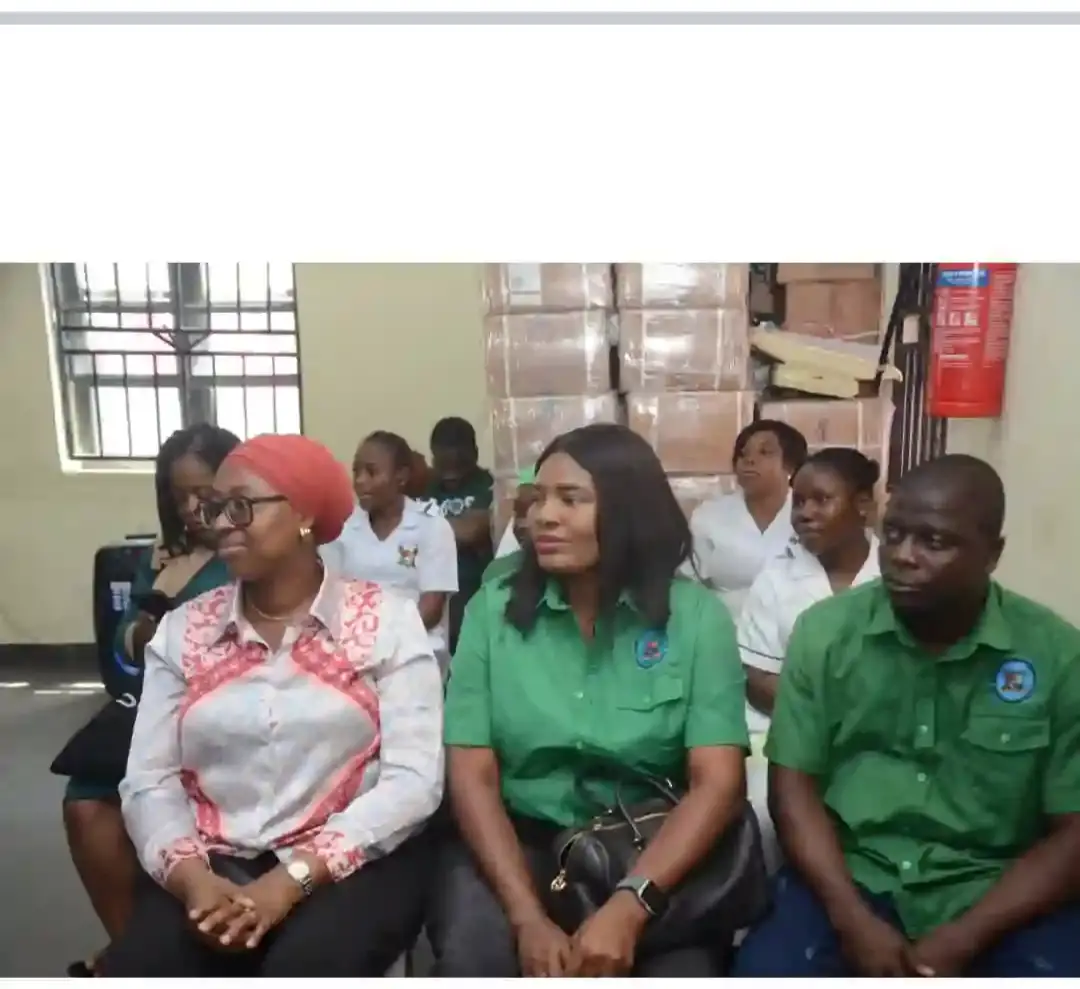
She said particular attention was given to women’s rights, dignity, privacy and effective communication, alongside compassionate care and the prevention of disrespectful practices.
The training also covered maternal and newborn assessment, identification of danger signs, counselling, timely referrals, home visits and follow-up care.
According to Adeleke, improving the relationship between health workers and patients could encourage more women to use healthcare facilities and ultimately save lives.
“This training is important because when we impact knowledge, we conquer the world. Our health workers need the skills, language and knowledge on how to treat our patients with dignity and respect; then we have more patronage at the facilities, and this would save more lives.”
Adeleke urged participants to put the lessons into practice and share the knowledge with colleagues in their respective facilities, stressing that quality healthcare should not be judged by clinical outcomes alone but also by the experience of women receiving care.
The facilitator and Director of Nursing Services, Kosofe Local Government Area, Mrs. Joseph Alaba, took participants through “Quality Postnatal Care,” focusing on the critical period from childbirth to the first six weeks after delivery.
Alaba explained that postnatal care goes beyond checking the physical condition of a mother and newborn, as health workers must also pay attention to emotional wellbeing and the home environment.
She highlighted breastfeeding and nutrition as important components of postnatal care, including monitoring the baby’s feeding pattern, positioning and breastfeeding technique.
For Nurse Bola Lawal, an Apex Nurse from Eti-Osa Local Government Area and participant at the training, the programme provided practical knowledge that could make a difference in the care mothers and babies receive after delivery.
Lawal said participants were trained on counselling for breastfeeding, nutrition, hygiene, immunisation, cord care, thermal care and family planning, as well as infection prevention and control.
She called for similar training to be extended to all levels of primary healthcare facilities across the district, saying continuous capacity building would help frontline health workers provide better care to mothers and newborns.
The initiative comes at a time when strengthening primary healthcare remains critical to ensuring that women can access timely, safe and dignified maternity services close to their communities.
