



Kwara Steps Up Diphtheria Surveillance, Ebola Preparedness as 23 Suspected Cases Reported
Kwara State is stepping up efforts to detect and contain infectious diseases early, as health authorities intensify surveillance for diphtheria and strengthen preparedness for possible Ebola outbreaks.
The move comes after health officials reported 23 suspected diphtheria cases in the state between January and September 2026, with three cases confirmed and one death recorded among the confirmed cases.
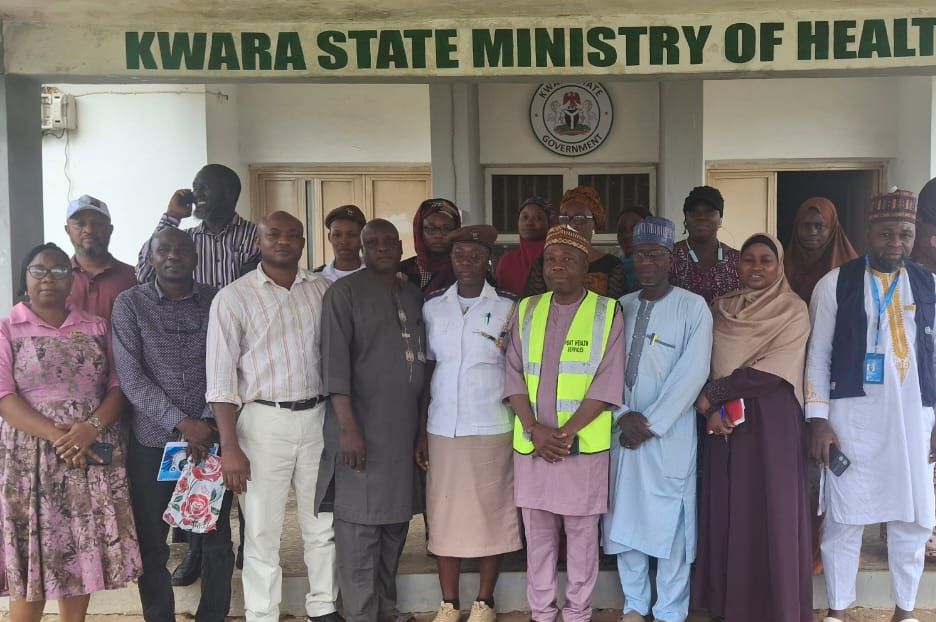
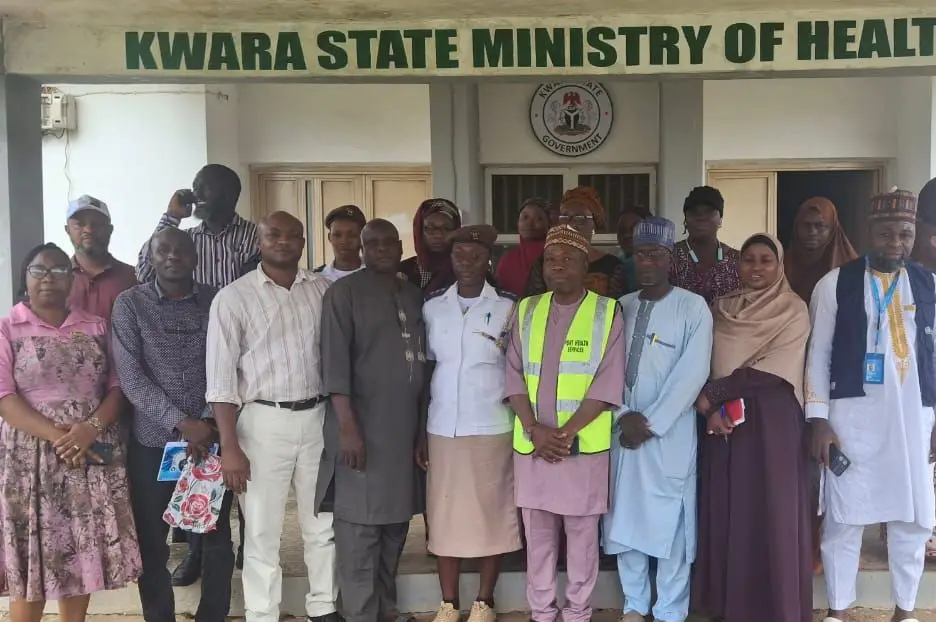
Director of Public Health, Dr Oluwatosin Fakayode, represented by the State Epidemiologist, Dr Khadeejah Kamaldeen, disclosed the figures at a stakeholders’ meeting in Ilorin.
According to Kamaldeen, samples have been collected from 22 of the suspected cases, with three testing positive, 19 returning negative results and two results still pending.
She said 21 patients had recovered and been discharged, while active case search continues, alongside the pre-positioning of medical countermeasures in health facilities where cases have been managed.
The suspected cases have so far been reported from six Local Government Areas, prompting the state to intensify surveillance, active case finding, immunisation, laboratory investigation, case management, risk communication and community engagement.
For families and communities, the message from the health authorities is simple: early detection can make the difference between containing an infectious disease and allowing it to spread silently.
Fakayode said the stakeholders’ meeting provided an opportunity to review the diphtheria situation, identify gaps and challenges in the response and agree on priority actions.
He also stressed the need to review the state’s approved Ebola preparedness work plan and strengthen coordination among relevant agencies to ensure that the state can respond effectively to any potential outbreak.
He called for sustained collaboration across sectors, noting that timely detection, prompt reporting and coordinated action are critical to protecting communities.
Kamaldeen urged residents and stakeholders to strengthen community surveillance, promote vaccination and encourage people to seek medical attention early when symptoms of concern appear.
She also called for suspected cases to be reported promptly, while urging authorities and community leaders to tackle misinformation and improve public understanding of infectious diseases.
Traditional rulers, religious leaders and community leaders, she said, have important roles to play in ensuring that health information reaches residents and that suspected cases are quickly brought to the attention of health authorities.
Kamaldeen emphasised that diphtheria is a vaccine-preventable disease, making immunisation one of the most important tools available to protect children and communities from transmission.
She called for stronger multi-sectoral collaboration so that every suspected case triggers a timely and coordinated response, with no missed cases, avoidable delays in notification or laboratory investigation, and no missed opportunities for vaccination.
