



Igbo Politicians Are Biggest Marginalizers of Igbos at Federal Level, Says Obakpee
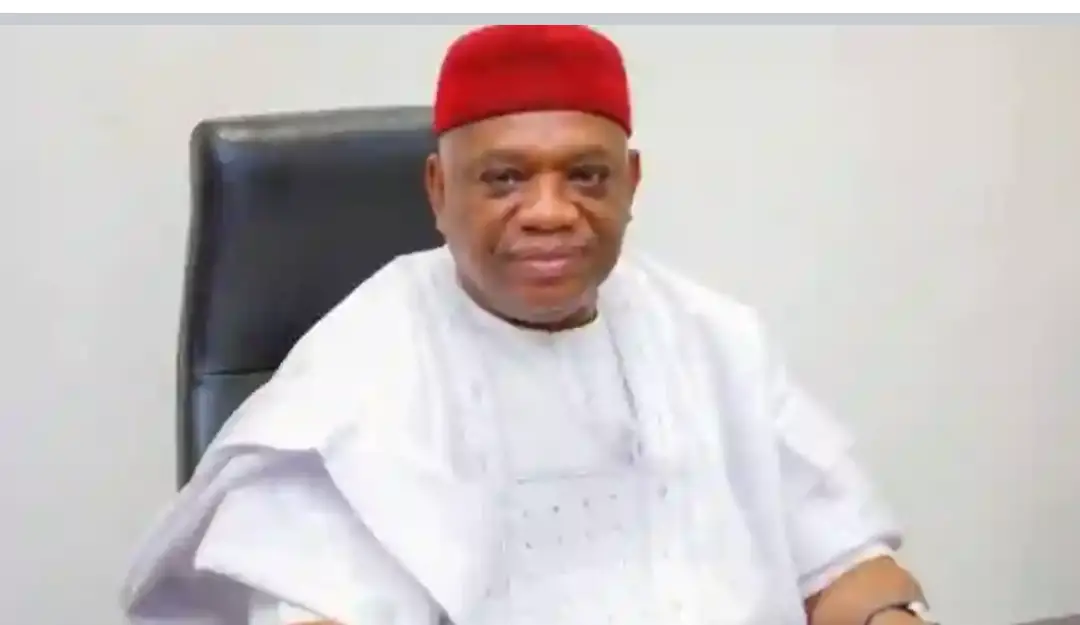
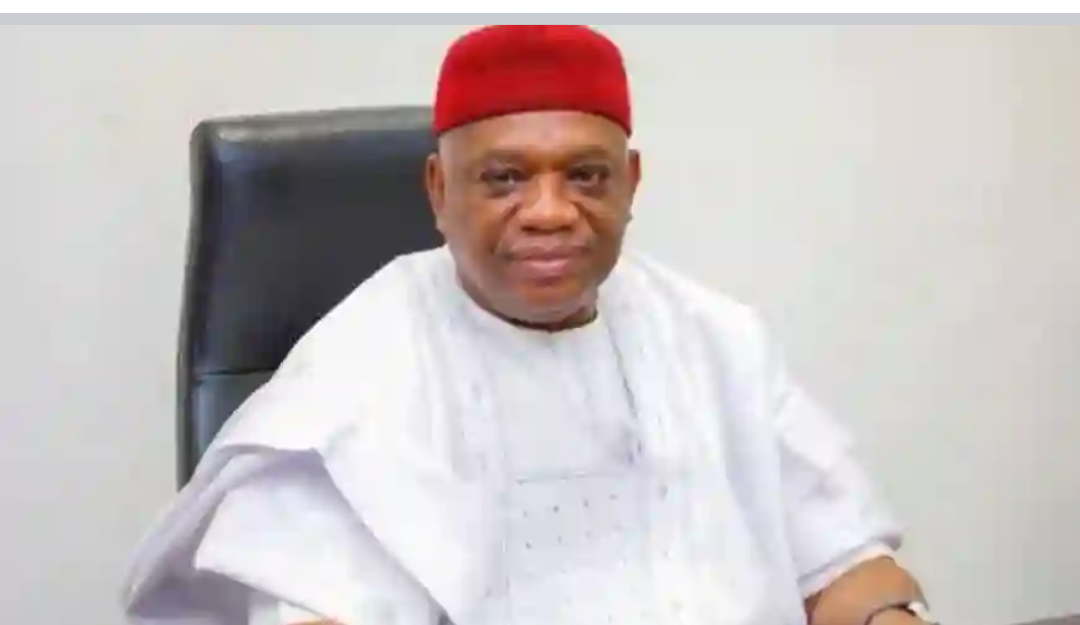
Orji Uzo Kalu represents Abia North in the Senate
A Nigerian engineer, Engr. Isaac O. Obakpee, has criticised the quality of political representation from the South-East, arguing that some Igbo politicians have contributed to the marginalisation of the region at the federal level.
Obakpee made the assertions in a lengthy post shared online, in which he questioned the political strategies and alliances of prominent Igbo politicians since the return to democratic rule in 1999.

Rochas Okorocha was a former Gov. and Federal lawmaker
According to him, Igbo politicians have, in several instances, worked against one another when opportunities arose for the South-East to occupy influential positions at the federal level.
He cited the crisis surrounding the leadership of the Senate during the Fourth Republic as an example, arguing that the region’s political elite failed to unite around its own interests.
Obakpee particularly referenced the period when Senator Evan Enwerem became Senate President in 1999 before being removed from office, followed by Senator Chuba Okadigbo, who was also removed in 2000.
He argued that such political divisions weakened the region’s bargaining position and contrasted them with what he described as stronger political solidarity among other major ethnic blocs.
Rochas Okorocha, Ogbonnaya Onu and Political Alliances
Obakpee also questioned the political choices of prominent South-East politicians who, according to him, have placed faith in promises from political establishments outside the region.
He cited former Imo State Governor Rochas Okorocha and the late former Minister of Science and Technology, Dr. Ogbonnaya Onu, as examples of politicians whose political experiences, in his view, demonstrate the risks associated with relying on promises of future political succession.
Onu contested the All Progressives Congress, APC, presidential primary in 2022 after obtaining the party’s presidential nomination form.
Obakpee argued that the experience should serve as a lesson to politicians who believe that loyalty to powerful political figures or parties will automatically translate into support for an eventual presidential bid by an Igbo candidate.
He further criticised some present-day Igbo politicians aligned with the APC administration, alleging that they have prioritised personal political ambitions over the broader interests of the South-East.
Peter Obi and Alex Otti
The engineer also expressed strong support for former Anambra State Governor Peter Obi, describing him as the politician he believes currently has the broadest potential to mobilise Nigerians across ethnic, religious and regional lines.
He identified Abia State Governor Alex Otti as an exception, arguing that Otti could also command significant national acceptance.
Obakpee maintained that Obi’s political appeal should not be interpreted solely through an ethnic or South-East lens.
He argued that Obi’s political agenda is national in scope and centred on fixing governance, strengthening national unity and improving standards across sectors.
Red Cap and Igbo Political Leadership
Obakpee also took aim at the symbolism associated with the traditional Igbo red cap, arguing that wearing the cap should not automatically be equated with wisdom or leadership.
In a strongly worded conclusion, he suggested that traditional symbols of authority should be accompanied by responsible political leadership and genuine commitment to the interests of the people.
His post also contained a number of claims about private political conversations, motives and alleged agreements involving prominent politicians. Those claims were presented by Obakpee as part of his argument but were not independently established in his submission.
Obakpee concluded by urging greater political unity, accountability and strategic thinking among Igbo political leaders, while maintaining that the region’s future should not depend solely on promises from political establishments outside the South-East.
