



Eke Ekpe 2026: Aro Culture Comes Alive as Sons and Daughters Gather at Amaikpe
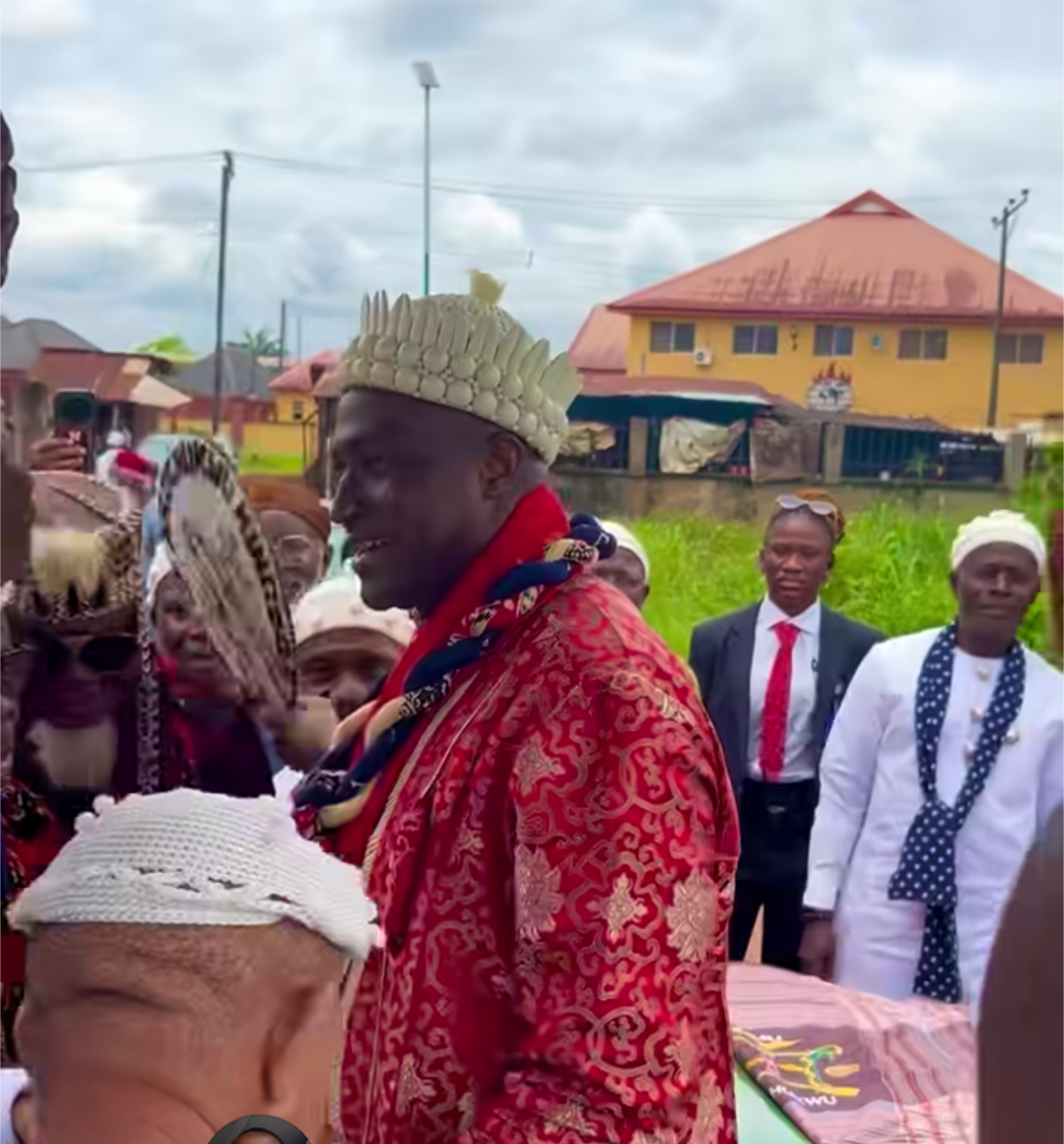
Arochukwu sons and daughters from different parts of Nigeria and around the world gathered at Amaikpe on Friday, September 25, 2026, for the annual Eke Ekpe, the cultural highpoint of the Arochukwu Kingdom’s New Year Festival, popularly known as Ikeji Aro.
For several hours, Amaikpe became a colourful meeting point between the past and the present as different communities within the ancient kingdom brought their traditional dances, costumes, music and cultural performances to the arena.
In a period when concerns over the gradual disappearance of indigenous traditions are growing in many communities, Arochukwu appears to be taking a different path.
Here, culture is not merely being remembered; it is being repackaged, performed and passed on to another generation.
Eke Ekpe remains one of the clearest expressions of that cultural continuity.
Traditionally, the festival provides an opportunity for Aros at home and in the diaspora to return to their ancestral roots, reconnect with one another and celebrate the heritage of the ancient kingdom.
At Amaikpe, the various villages compete through traditional dance and cultural displays, with prizes awarded to outstanding performances.
This year, Atani Aro emerged first, after an impressive performance that stood out among the various contingents.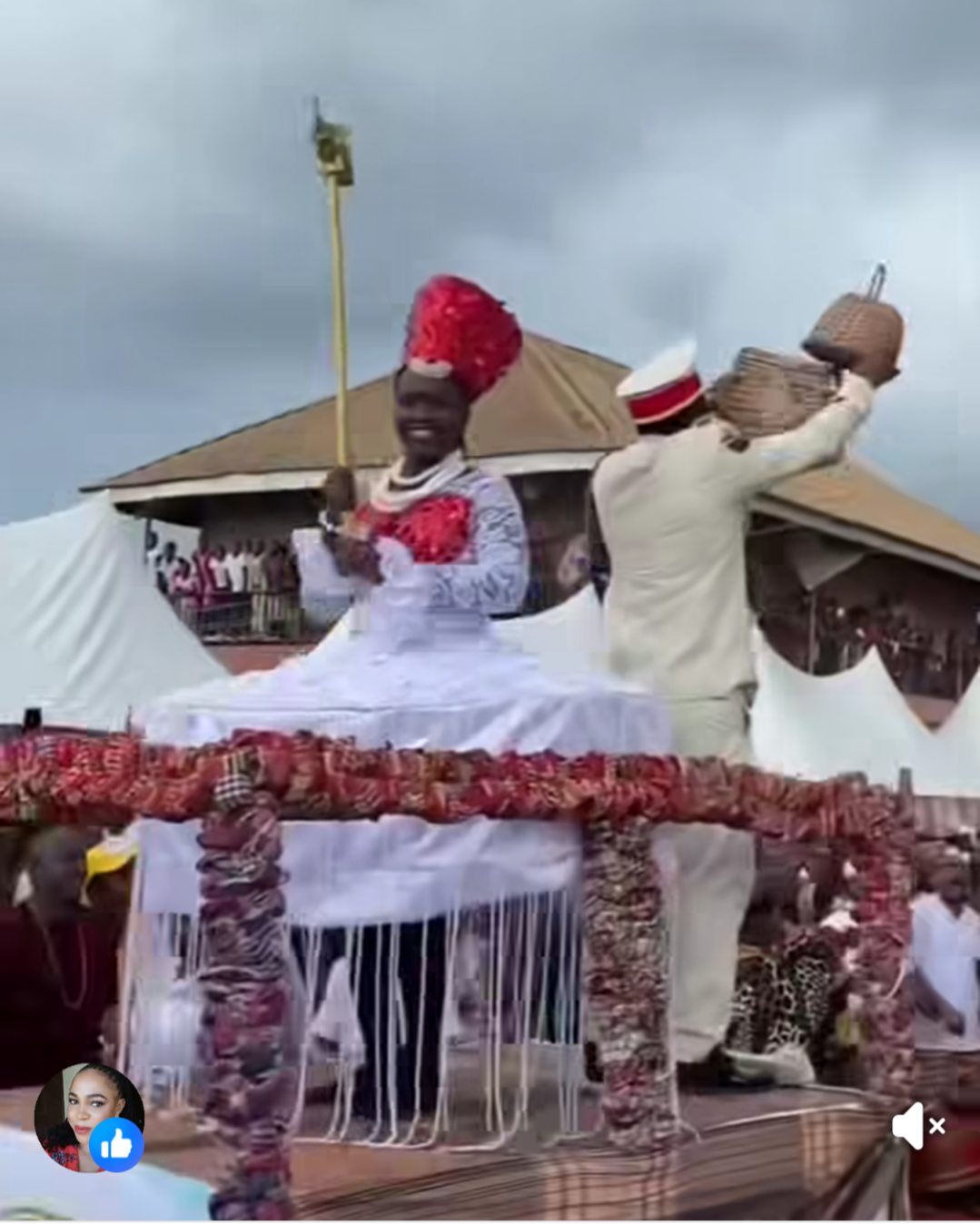
Other communities also arrived well prepared, turning the event into a vibrant display of Aro identity, history and communal pride.
One of the performances that attracted considerable attention came from Ibom Village, which presented Mgbede Gba Ola, an ancient cultural tradition associated with maidenhood, purity and the preservation of traditional identity.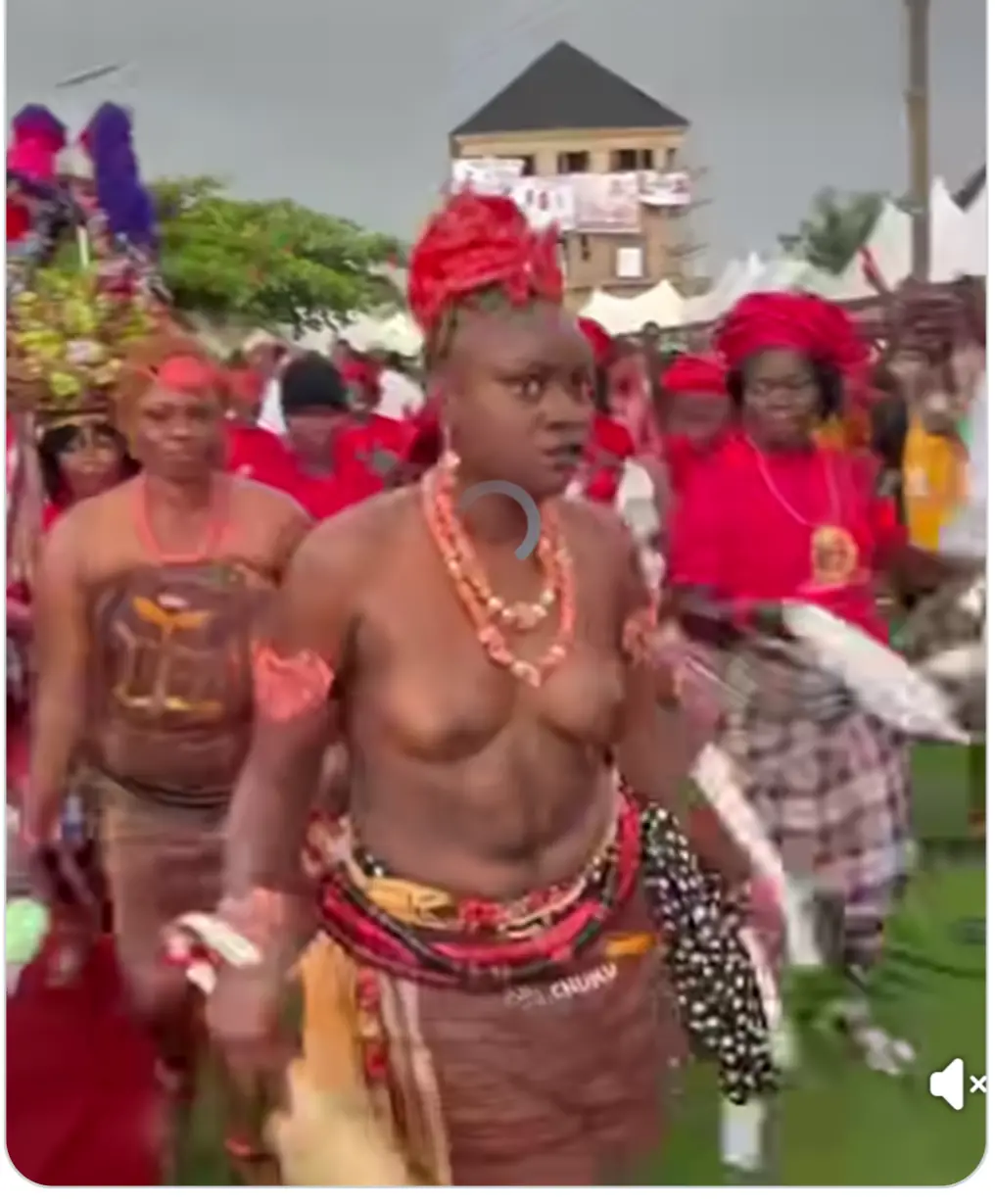
The performance featured traditional attire and symbolic elements, including the distinctive Ola, the bronze anklets associated with the cultural display.
The tradition is believed by its proponents to have been preserved in Aro culture for more than 1,200 years.
For cultural commentator Ernie Onwumere, the Ibom performance was more than entertainment; it was a living reminder of a tradition handed down through generations.
Writing about the performance, Onwumere described it as a moment when an ancient cultural practice was brought back to life before a modern audience.
He argued that Mgbede Gba Ola should be understood within its historical and cultural context rather than viewed through the lens of contemporary fashion or social norms.
According to him, the display represented a tradition through which Aro society historically celebrated maidenhood, dignity and cultural identity.
The symbolism of the bronze anklets, traditional dance and ceremonial presentation gave the performance a deeper meaning for members of the community who understand its historical significance.
For many spectators, the moment was less about the individual performer and more about the question of whether such traditions can survive in a rapidly changing world.
That question has become increasingly important as younger generations grow up in an environment where global popular culture often competes with indigenous customs for attention.
Eke Ekpe therefore offered something beyond the spectacle of drums and dancing. It provided an opportunity for younger Aros to see, hear and experience traditions that might otherwise exist only in stories told by their grandparents.
The festival also demonstrated the diversity within Arochukwu itself, as each village brought its own interpretation of Aro cultural heritage to Amaikpe.
Eze Aro: Ikeji 2026 Was a Reminder of Who We Are
The traditional ruler of Arochukwu Kingdom, His Eminence Eberechukwu Kanu Orji, Eze Aro, described the 2026 Eke Ekpe celebration as a profound reminder of the identity and heritage of the Aro people.
In a message shared on his social media page, the monarch expressed appreciation to Aro sons and daughters who travelled from different parts of the world to participate in the celebration.
He said the gathering represented much more than a festival, describing it as an opportunity for ancestral bonds to be renewed and for younger generations to discover the strength and beauty of belonging to Arochukwu Kingdom.
The monarch thanked everyone whose contributions helped make the celebration possible and prayed for journey mercies for those returning to their various destinations.
He urged the people to continue preserving the traditions entrusted to them by their forebears and to pass them on to future generations with wisdom, care and love.
“May we continue to honour, with fidelity and reverence, all that our forebears entrusted to us. And may we pass these sacred traditions on to those who come after us with even greater care, wisdom, and love,” Eze Aro said.
He concluded with a blessing for the people and the kingdom: “God bless Umu Aro. God bless Arochukwu Kingdom.”
As the drums gradually faded at Amaikpe and the various groups began their return journeys, Eke Ekpe 2026 left behind more than memories of competition.
It reinforced a message that resonated throughout the celebration: for Arochukwu, culture remains a living inheritance — something to be practised, protected and handed over to the next generation.
Innocent Onoh
