

Kudaisi Emerges Pioneer SMI President, Says Better Schools Start With Better School Owners
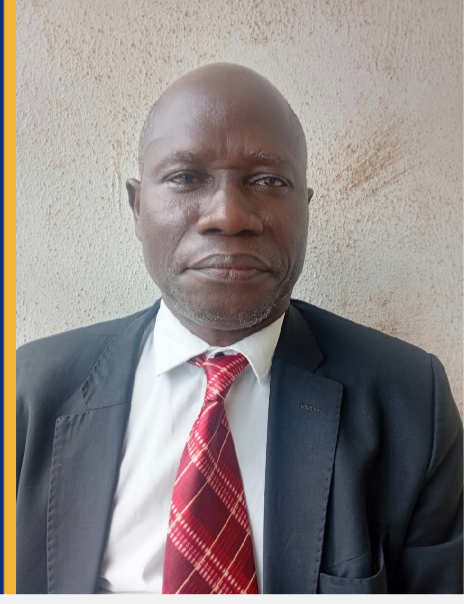
Kudaisi
Dr Peter O. Kudaisi, President of the pioneer cohort of the newly established School Management Institute (SMI), has challenged school owners across Nigeria to move beyond collecting certificates and translate knowledge into measurable improvements in their schools.
Kudaisi gave the charge on Saturday, September 5, at the virtual graduation of about 50 school owners drawn from different states and geopolitical zones after a six-week professional development programme designed to strengthen school leadership and management.
Speaking as President of the Pioneer 2026 Cohort, Kudaisi stated that the real test of the programme would not be the certificates presented to participants, but the transformation they would bring to their schools, teachers, learners and communities.
“When we return to our schools, our teachers should notice something different. Our pupils should experience something different. Our parents should perceive something different. Our administrative systems should function differently,” he said.
The graduation was held under the theme, “From Learning to Leadership, From Knowledge to Transformation,” reflecting the Institute’s central philosophy that improving Nigeria’s education system must begin with building the capacity of those who own and manage schools.
Kudaisi said the programme was deliberately structured to make school ownership more professional, strategic and child-centred, exposing participants to effective school leadership, pedagogy, administration, staff management, financial management, school branding, safeguarding and child protection, technology, strategic planning and performance measurement.
He warned the graduates against returning to their schools and continuing with old practices simply because they had completed the programme.
“We must not allow the knowledge we have acquired to become merely certificates hanging on our office walls,” he said, stressing that the ultimate objective must be to convert knowledge into systems, results and sustainable growth.
According to him, a professionally equipped school owner should be able to build an institution that is financially sustainable while maintaining academic excellence, sound administration, professionalism and a strong commitment to the welfare and development of children.
He therefore urged the pioneer graduates to return to their schools with fresh eyes and critically examine their leadership structures, staff, finances, teaching and learning processes, administrative systems and relationships with parents.
“Let us turn our notes into policies. Let us turn our lessons into practices. Let us turn our knowledge into systems. Let us turn our systems into results,” Kudaisi said.
The SMI initiative comes against the backdrop of growing concerns over the quality and management of schools across Nigeria, particularly in the private education sector, where many school owners combine the roles of proprietor, administrator and educational leader without formal training in school management.
The Institute seeks to address that gap by positioning school ownership as a professional responsibility requiring specialised knowledge, leadership capacity and continuous development.
Beyond improving individual schools, Kudaisi said the pioneer cohort had also discovered the importance of collaboration among school owners, arguing that competition should not prevent institutions from sharing knowledge and working together to strengthen education.
He urged participants to mentor one another, share ideas, build partnerships and collectively contribute to improving Nigeria’s education sector.
Describing the pioneer graduates as trailblazers, he said they now had a responsibility not only to transform their own institutions but also to help shape the future direction of the Institute and provide a strong foundation for subsequent cohorts.
“The certificates we receive today will prove that we completed a programme. But the transformation in our schools will prove that we learnt,” he said.
For SMI, therefore, the establishment of the Institute represents more than another professional training programme. It is a deliberate attempt to change the way schools are conceived, owned, managed and developed by placing professional leadership at the centre of educational transformation.
Kudaisi summed up the philosophy of the pioneer cohort in a simple message to his colleagues: “We did not come to SMI merely to receive a certificate. We came to receive capacity—and capacity must produce results.”
And with the pioneer graduates now returning to their schools, that test has begun—with teachers, learners, parents and the wider education community expected to see whether the new knowledge will indeed translate into better schools and better outcomes for Nigerian children.
By Innocent Onoh (+2348034158834)
