
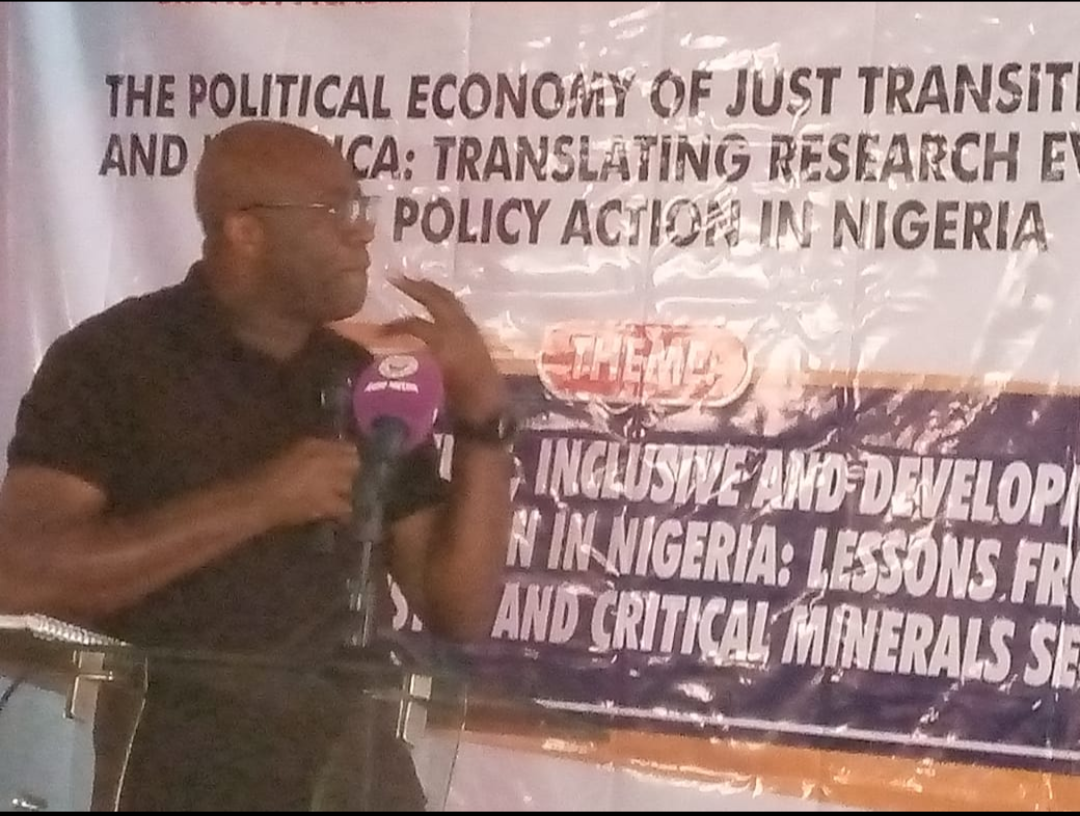



Scholars, policymakers and experts in energy, forestry and critical minerals from Nigeria and other African countries have converged in Abuja to explore how research findings can be translated into practical policy actions capable of improving lives and protecting affected communities.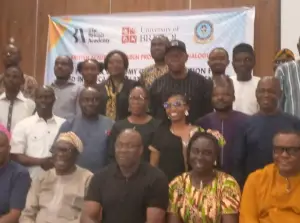
The experts gathered at a policy dialogue organised under a British Academy Research Project, co-hosted by Taraba State University and two foreign universities, with a focus on promoting a just and inclusive transition across Nigeria’s energy, forestry and critical minerals sectors.
The dialogue also examined the challenges facing communities located around oil-producing and mining areas, including issues of environmental injustice, participation in decision-making and equitable access to the benefits of natural resources.
Speaking at the event, the Principal Investigator, Professor Chukwumerije Okereke, stressed the need for greater transparency, accountability and a just transition in the oil and gas, mining and biodiversity sectors.
Okereke said these principles were critical to achieving sustainable development in Nigeria and across Africa, particularly as countries respond to climate change while pursuing economic growth.
The Nigeria Team Lead and Investigator for the Critical Minerals Sector, Professor Emeka Oruonye, said the transition was particularly important for Africa because it must balance climate action with economic development, energy security, employment and social equity.
He noted that policies governing the transition must reflect the realities and development priorities of African countries rather than simply replicate approaches designed for other regions.
Also speaking, Professor Elizabeth Essien of the University of Calabar, raised concerns over the increasing rate of deforestation at the grassroots, which she attributed partly to inadequate sensitisation among rural communities.
Essien advocated policies that would give people living in forest, mining and oil-producing communities a stronger voice in decisions affecting their environment and livelihoods.
She said meaningful participation of affected communities was essential to achieving lasting solutions to environmental and socio-economic challenges associated with resource extraction and forest management.
The policy dialogue, with the theme “Advancing a Just, Inclusive and Development-Oriented Transition in Nigeria: Lessons from the Energy, Forestry and Critical Minerals Sectors,” provided an opportunity for researchers and policymakers to examine how Africa can pursue a transition that is fair, inclusive and responsive to its development realities.
Other keynote speakers presented findings from their respective research projects and called for stronger political will to address institutional and policy challenges affecting research-driven initiatives in the energy, forestry and critical minerals sectors.
They also stressed the need to ensure that research evidence is not left in academic publications but is translated into policies and programmes that improve environmental protection, economic opportunities and the well-being of communities affected by natural resource exploitation.Suggested photo caption: Scholars, policymakers and experts at the policy dialogue on a just and inclusive transition in Nigeria’s energy, forestry and critical minerals sectors in Abuja.
UKATA NEWS
