
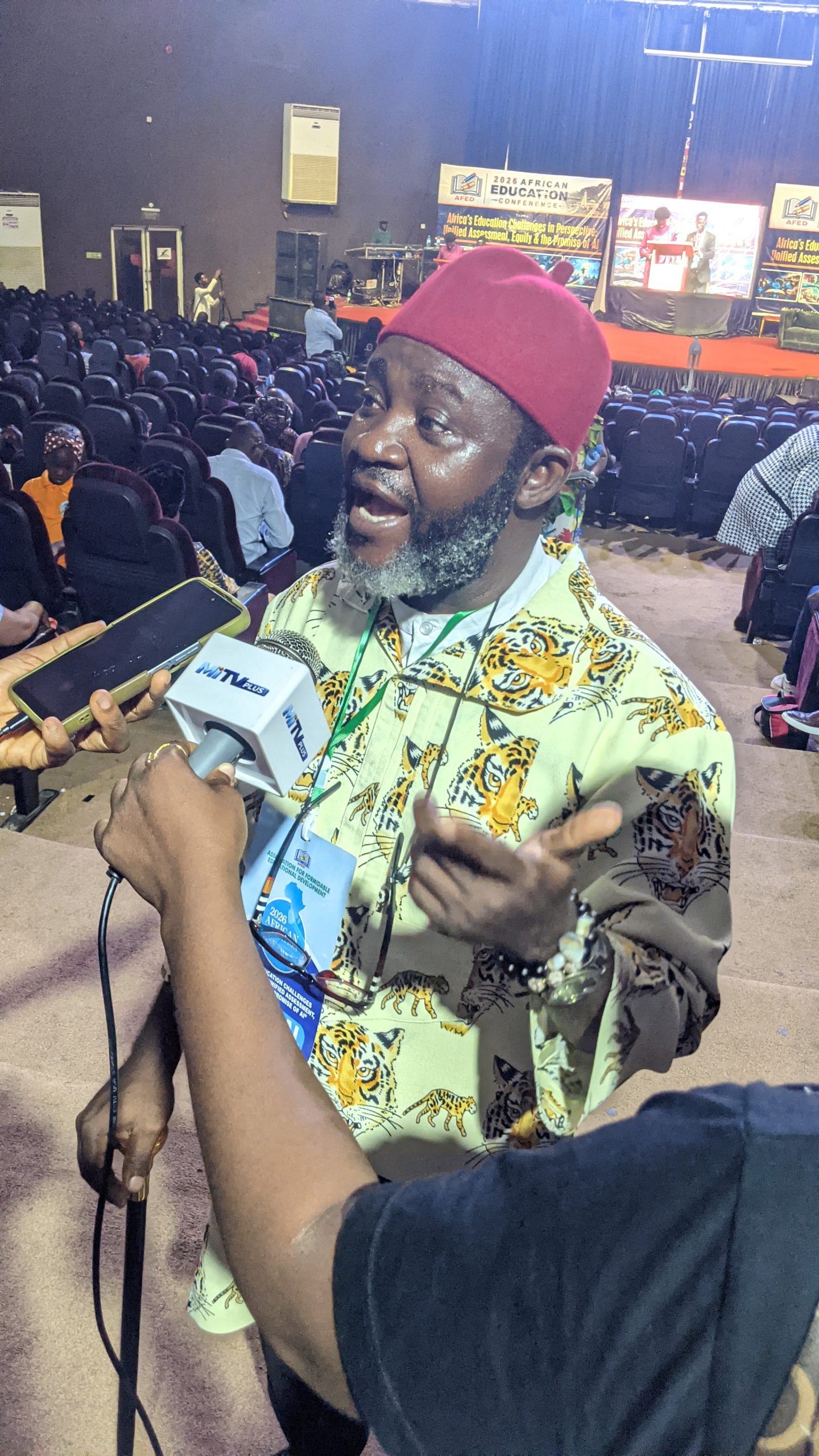



As Nigeria marks its 66th Independence Anniversary, the President of the Association for Formidable Educational Development (AFED), Hon. Orji Kanu Emmanuel, has called for stronger and more effective leadership to ensure that every Nigerian child has access to quality education and a real opportunity to build a future.
Emmanuel, in his Independence Day message, said Nigeria could not afford to celebrate its 66 years of nationhood without confronting the large number of children who remain outside the school system.
According to him, an estimated 18.3 million Nigerian children are out of school, a situation he described as a major challenge to the country’s development.
The AFED president, who is also the African Democratic Congress (ADC) candidate for Arochukwu/Ohafia Federal Constituency of Abia State, urged governments, private-sector organisations, non-governmental organisations, religious bodies and individuals to work together to expand access to quality education.
“Education gives not just hope, but life,” Emmanuel said, stressing that a country cannot achieve meaningful independence without citizens who are educated and equipped to make informed decisions.
He argued that political independence without intellectual independence would remain incomplete, noting that education is central to progress in politics, the economy, technology, governance and national values.
Emmanuel said the challenge becomes more urgent because many children are being denied education not because their parents do not value schooling, but because of poverty, insecurity, distance and the cost of basic school requirements such as uniforms and books.
He called on the government to create an environment in which quality education can thrive, including improved funding, safer schools and greater support for low-cost private schools serving children in underserved communities.
“Governance is not enough. Government must provide enabling leadership. It is not enough to govern; you must create the environment where quality education can thrive,” he said.
Emmanuel also appealed to parents to prioritise their children’s education, describing spending on schooling as an investment in their future rather than simply another household expense.
He urged Nigerians from all walks of life to contribute to efforts aimed at ensuring that children are not excluded from education because of where they were born or their family’s economic circumstances.
The AFED president said the association, which represents more than 30,000 low-cost private schools, remains committed to improving access to education and supporting children from communities where educational opportunities are limited.
He warned that leaving millions of children outside the school system could have consequences far beyond the classroom, affecting poverty, unemployment, insecurity and the country’s ability to develop the skilled workforce required for a modern economy.
“As AFED, we have seen first-hand that parents want education for their children. Poverty, distance, the cost of uniforms and books, and insecurity are keeping them away, not lack of interest,” he said.
Emmanuel said Nigeria’s 66th Independence Anniversary should therefore serve as a moment for reflection and renewed commitment to the country’s children.
“Let us give Nigeria life through education,” he urged.
He also called for greater investment in skills development, digital literacy and values-based education to prepare young Nigerians for the demands of the future.
Emmanuel concluded by congratulating Nigerians on the Independence Anniversary and called for collective action to ensure that every child has the opportunity to learn, develop their talents and contribute meaningfully to national development.
