



Port Charges, Poor Infrastructure Threaten Nigeria’s Global Maritime Ambition — Stakeholders
For businesses importing goods into Nigeria and exporters trying to reach international markets, the efficiency of the nation’s ports can make the difference between profit and loss.
Long delays, high or unclear charges, outdated facilities and shortages of skilled manpower can increase the cost of doing business and ultimately push Nigerian ports further behind competing maritime hubs.
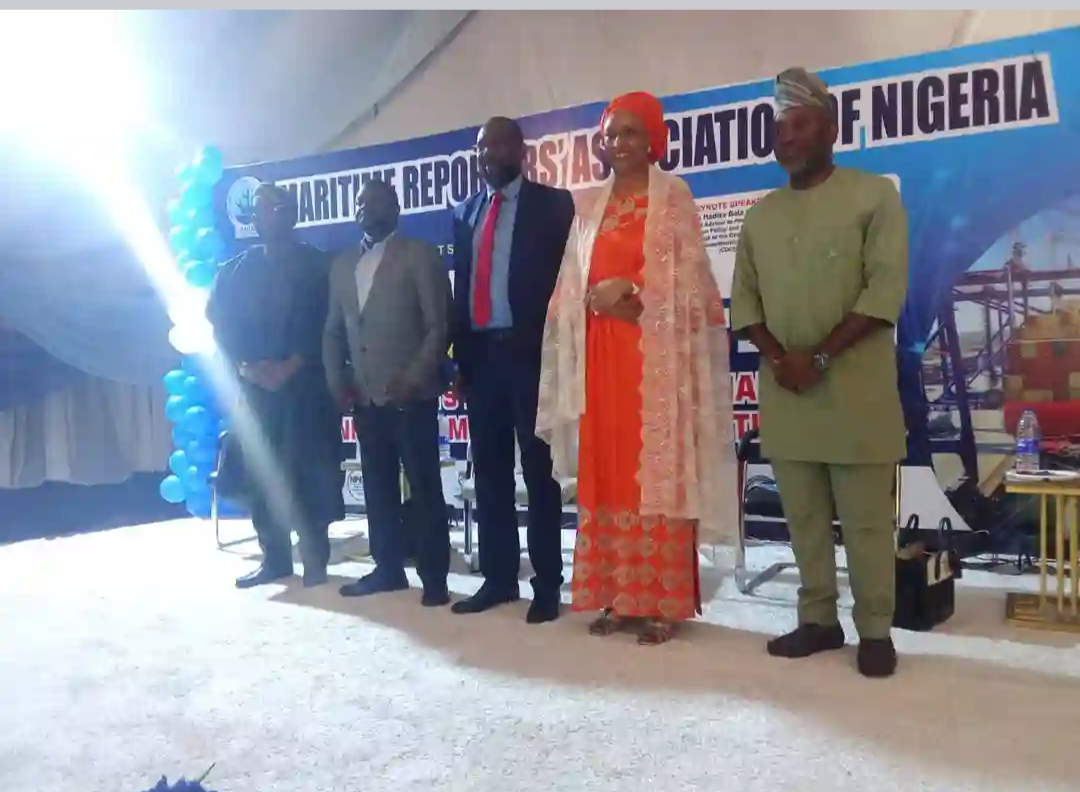
This was the concern raised by maritime stakeholders at the fourth edition of the Maritime Reporters’ Association of Nigeria (MARAN) Annual Maritime Lecture held in Lagos on September 10.
The lecture, themed “Nigerian Ports Modernisation, Charges and the Competitiveness Question,” brought together industry stakeholders to examine what Nigeria must do to make its ports more efficient, attractive and competitive.
Speaking in a goodwill message, the Acting Rector of the Maritime Academy of Nigeria, Dr. Kevin Okonna, said port competitiveness was about much more than building new terminals and upgrading physical infrastructure.
He identified efficiency, innovation, safety, technology, effective regulation and skilled human capital as equally important components of a modern port system.
Okonna stressed that even the most sophisticated port facilities would have limited impact without competent professionals capable of operating and maintaining them to international standards.
He said the Maritime Academy of Nigeria was responding to this challenge by investing in modern training infrastructure, advanced simulators, practical training facilities and improved learning environments.
According to him, the Academy was also expanding partnerships with stakeholders in Nigeria and abroad to ensure that its training programmes remained relevant to industry needs, international conventions and emerging maritime technologies.
For Nigerian workers and young people seeking opportunities in the maritime sector, Okonna said specialised training would be critical as technology continues to reshape the industry.
He noted that the future of Nigeria’s ports would depend on the ability to combine modern technology with skilled human expertise.
The Acting Rector also linked competitive ports to the Federal Government’s renewed emphasis on the Marine and Blue Economy, stressing that the vision could only deliver sustainable benefits if Nigeria developed efficient ports, strengthened maritime institutions and equipped its citizens with the skills needed to participate in the expanding sector.
He commended MARAN for sustaining its annual lecture, describing it as an important platform for discussing issues capable of shaping the future of Nigeria’s maritime industry.
The International Maritime Institute of Nigeria (IMION) also called for a broader approach to port modernisation.
Representing the Director-General of the institute, a representative said modernisation should not stop at construction and rehabilitation of port infrastructure.
Rather, it should include skilled manpower, innovative technology, efficient processes, effective regulation and policies that make it easier and cheaper to do business.
The institute particularly drew attention to port charges, insisting that they must be transparent, competitive and matched by the quality of services delivered.
For businesses that depend on the ports, stakeholders said predictable and reasonable charges are essential to planning, pricing goods and remaining competitive in an increasingly connected global market.
IMION commended MARAN for putting port modernisation and charges at the centre of national conversation, stressing that effective policy advocacy must be supported by credible information, research and constructive engagement among government agencies, regulators, terminal operators and other industry players.
The institute also highlighted the role of the maritime media in driving reforms, saying journalists have an important responsibility to keep the public informed, promote accountability and help Nigerians understand the changes needed to make the country’s ports more attractive to international users.
It expressed confidence that the discussions at the MARAN lecture would generate practical recommendations capable of improving port efficiency, reducing avoidable costs and strengthening Nigeria’s position in the global maritime economy.
The messages from both institutions ultimately pointed to a simple reality: Nigeria cannot build a competitive port system with concrete and cranes alone.
The country must invest simultaneously in people, technology, efficient regulation and a transparent cost structure.
As Nigeria seeks to position itself as a leading maritime hub in Africa, stakeholders say the real test will be whether modern infrastructure is matched by modern systems and skilled people capable of keeping the ports moving efficiently.
By Fabian Anawo
